Survivors of a military airstrike in Borno State have come forward to recount their experience, maintaining they were legitimate animal traders conducting business at Jilli market when the attack happened. The survivors say they were engaged in normal commercial activity buying and selling livestock when fighter jets struck the location, leaving some dead and others wounded. Their accounts challenge any suggestion that armed militants were present at the market during the bombardment.
The traders explained that Jilli market operates as a regular commercial hub where livestock dealers gather daily to trade cattle, goats, sheep and other animals. Business at the market follows established patterns with traders arriving early in the morning and conducting transactions throughout the day. The survivors say the market was busy with ordinary commercial activity when the military operation began without warning.
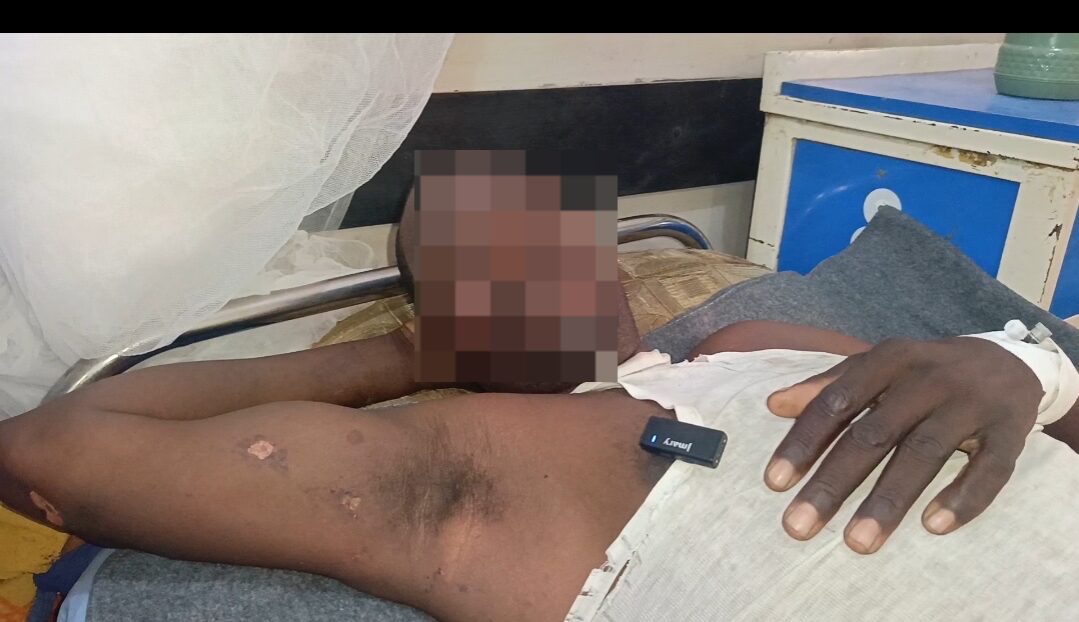
According to the traders' statements, the airstrike caused significant casualties and injuries among people who were simply trying to earn their living. Some of the survivors sustained injuries from the blast and shrapnel, while others lost relatives and business partners in the attack. The psychological toll has been severe, with many traders expressing fear about returning to the market for their livelihood.
The survivors' accounts raise serious questions about the circumstances surrounding the military operation and whether proper intelligence had been gathered before the airstrike was authorised. The presence of civilians engaged in legitimate trade at the location suggests that military commanders may not have had accurate information about who was actually at Jilli market at the time of the attack. Questions about civilian casualty prevention measures and target identification procedures are now being raised by people affected by the bombardment.
This incident occurs amid ongoing military operations in Borno State against armed groups in the region. The Nigerian military has been conducting air and ground operations as part of its counter-insurgency efforts. However, the traders' accounts underscore the need for greater care in conducting strikes near populated civilian areas and markets.
The federal government has not yet issued a formal statement responding to the survivors' claims about the nature of the airstrike. Military authorities have maintained that their operations target militant positions and supply lines. The ministry of defence and the Nigerian Air Force have not provided details about the specific intelligence that led to the decision to strike Jilli market.
Family members of the deceased traders have called for investigations into the incident and compensation for those killed and injured in the attack. Some survivors have indicated they plan to seek medical treatment for their injuries and support for their economic losses. Civil society organisations working in Borno State say they are documenting accounts from affected traders and their families.
The Borno State government is expected to respond to requests from affected traders for assistance and clarification about the airstrike. State officials may also need to coordinate with federal military authorities to establish what occurred at Jilli market and why the location was targeted. Local community leaders have expressed concern about the impact of such incidents on commercial activity and market operations in the region.
Over the coming weeks, attention will focus on whether investigations are launched into the airstrike and what findings emerge about civilian presence at the market when the strike occurred. Survivors have indicated they expect official explanations and accountability for the lives lost and injuries sustained during the bombardment at Jilli market.