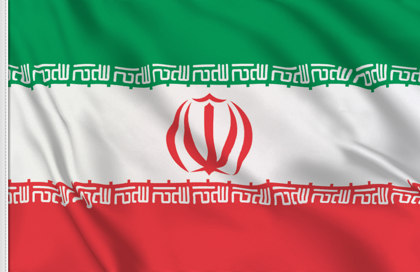
Human rights organizations have documented a shocking surge in executions across Iran during 2025, with at least 1,639 people put to death over the course of the year. This represents a 68 percent spike compared to the previous year and marks the highest execution toll recorded in two decades, according to a fresh report compiled by multiple international human rights groups tracking capital punishment in the Islamic Republic.
The scale of the killings has alarmed rights advocates worldwide. Iran's execution numbers have climbed steadily over recent years, but the 2025 figures represent a dramatic acceleration of state-sanctioned death sentences. The report does not break down specific charges or identify all those executed, though previous documentation by rights organizations has shown that Iran executes people for murder, drug trafficking, terrorism, espionage, and political crimes.
The Iranian government maintains that its justice system operates according to Islamic law and that those executed have committed serious offenses deserving capital punishment. Officials in Tehran reject criticism from Western nations and international human rights bodies, arguing that such scrutiny reflects foreign interference in Iran's internal affairs. The government has not publicly responded to the 2025 figures released by the NGOs.
International observers have connected the spike in executions to broader tensions within Iran's political system. The country has faced internal unrest tied to its controversial government policies, nuclear program disputes with world powers, and ongoing regional conflicts. Some analysts suggest that increased executions may reflect hardline elements within the Iranian state using capital punishment as a tool for suppressing dissent and maintaining control.
The human rights groups involved in compiling this data operate across multiple countries and use court records, witness testimony, and government announcements to track execution figures. Their work remains difficult because Iran does not consistently publish official execution statistics, forcing researchers to piece together information from fragmentary sources. Despite these challenges, the organizations have established themselves as reliable documentation sources, with their figures often cited by the United Nations, the European Union, and independent media outlets.
Previous years saw Iran execute between 600 and 1,000 people annually, making the 1,639 figure particularly alarming to rights campaigners. The jump in executions has prompted calls for stronger international pressure on Iran to halt capital punishment. Several countries have already imposed sanctions on Iranian officials involved in human rights abuses, and some lawmakers in Western nations have proposed additional measures targeting the Iranian government's judicial system.
The report comes as Iran faces mounting international scrutiny over multiple human rights concerns. Beyond executions, organizations like Amnesty International and Human Rights Watch have documented torture, arbitrary detention, denial of medical care in prisons, and suppression of freedom of speech. Women's rights activists have also raised alarms about the execution of women and girls, including cases involving minors at the time of their alleged crimes.
Domestic opposition to capital punishment remains muted within Iran itself, where government control over media and civil society limits public debate on the issue. However, some Iranian lawyers and activists working within the country have quietly advocated for abolishing the death penalty. International legal experts have called on Iran to sign and ratify the Second Optional Protocol to the International Covenant on Civil and Political Rights, which commits nations to abolishing capital punishment.
The United Nations has repeatedly criticized Iran's execution practices and called for a moratorium on capital punishment. UN human rights experts have specifically voiced concern about executions carried out for crimes that do not constitute murder, including drug trafficking cases where individuals transported narcotics across borders. They have also flagged cases where death sentences were imposed following trials that fell short of international fair trial standards.
Neighboring countries and regional organizations have largely remained silent on Iran's execution surge, reflecting broader geopolitical complexities in the Middle East. Some analysts argue that regional powers have avoided public criticism of Iran's capital punishment practices to maintain diplomatic relations or because they face similar human rights scrutiny themselves.
The human rights groups plan to continue monitoring executions in Iran throughout 2026 and will release updated figures later in the year. Their ongoing documentation serves as a record for potential future accountability mechanisms and provides evidence that could support legal actions against Iranian officials responsible for ordering executions.