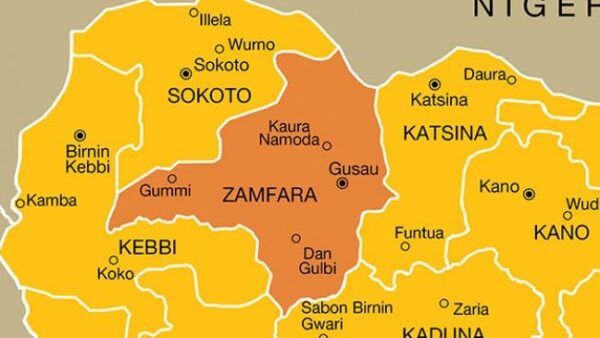
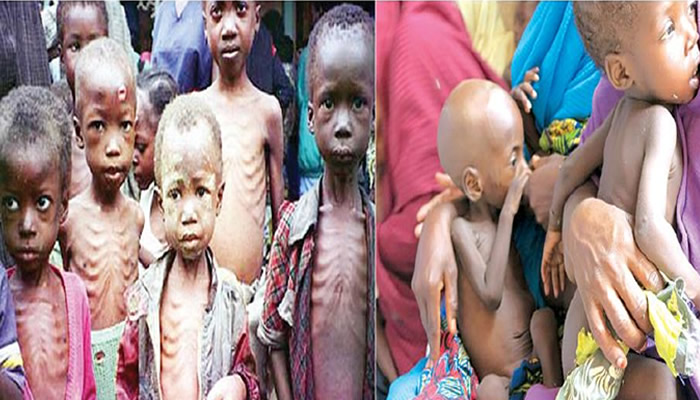
UNICEF says more than 500,000 children in Sokoto, Kebbi, and Zamfara are severely malnourished, a crisis driven by conflict, poverty, and the collapse of basic services in Nigeria's northwest.
The warning comes as the humanitarian situation in the three states continues to deteriorate. Malnutrition rates have climbed as armed groups control swathes of farmland, preventing families from planting and harvesting crops. Many communities have fled their homes, abandoning sources of food and income.
The three states sit at the heart of Nigeria's banditry crisis. For years, armed groups have raided villages, abducted residents, and blocked access to markets and farms. Schools have shut. Health clinics have closed. Parents struggle to feed their children on a daily basis.
UNICEF's warning underscores the scale of need. Severe malnutrition kills. It leaves survivors with permanent physical and cognitive damage. Children who survive severe malnutrition often lose the ability to learn, grow properly, or fight off disease. The organisation did not say how many have already died from hunger in the three states.
The crisis extends beyond these three states. Across the northwest and northeast, conflict and insecurity have pushed millions into food insecurity. In the northeast, Boko Haram and splinter groups have waged a 15-year war that has killed tens of thousands and displaced millions.
The federal government has made security a priority, deploying soldiers and airstrikes to target armed groups. Progress has been mixed. While the military has killed some commanders and recovered some territory, bandit groups continue to operate across vast areas. Farming remains dangerous. Movement remains restricted.
International organisations like UNICEF, the World Food Programme, and Médecins Sans Frontières have called on the government to do more. They say humanitarian access to affected areas must improve. They say civilians must be protected. They say aid workers need security guarantees to operate in remote communities.
The rainy season, which begins in May, offers a window for farmers to plant new crops. If security improves and farmers can work their land, hunger may ease in coming months. If violence continues, the malnutrition crisis will worsen. UNICEF and other aid groups are preparing emergency feeding programmes for the coming months, but their resources remain stretched.