
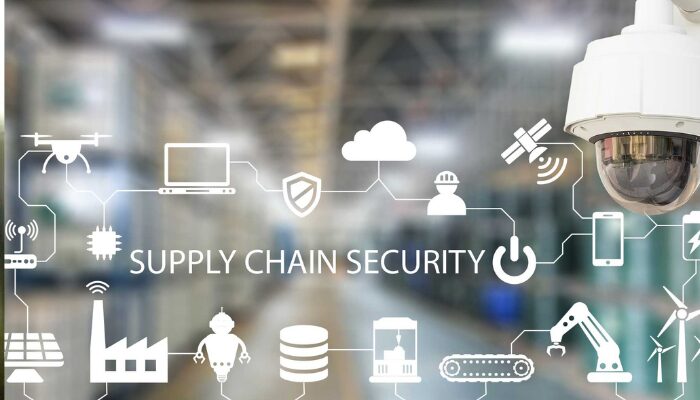
Large African enterprises are losing money to hidden spending leaks and supplier risks they cannot see, and experts now say digital procurement platforms offer a way out.
The warning came as procurement specialists pushed for wider adoption of technology-driven supply chain management across the continent. Hidden costs eat into profit margins without companies realising where the money goes. A supplier fails to deliver on time. A contract gets signed at inflated prices. Invoices go unpaid while others get processed twice. These gaps compound quickly in complex supply chains that stretch across borders.
Digital procurement platforms track every transaction in real time. They flag suppliers with poor track records. They enforce contract terms automatically. They catch duplicate payments before they leave the bank. For companies buying raw materials, components, or services across Africa, this visibility means the difference between thin margins and healthy ones.
The push comes as African enterprises compete globally and face pressure to improve efficiency. Many still rely on spreadsheets and email chains to manage procurement. These systems hide problems until audits uncover them. Digital platforms replace guesswork with data. Spending becomes transparent. Risk becomes measurable.
Supplier risk blind spots pose another threat. A company might depend on a single manufacturer without knowing that manufacturer faces cash flow problems or regulatory violations. When that supplier fails, production stops. Customers go elsewhere. Digital platforms map the entire supply network and alert companies to threats before they cause disruption.
Implementation requires investment and training. Staff accustomed to old systems need to learn new ones. Smaller suppliers in the ecosystem may lack digital capacity. But the cost of not acting outweighs these obstacles. Companies that move early gain competitive advantage. Those that wait fall further behind.
African enterprises now face a choice. Adopt digital procurement and gain control of their supply chains, or continue bleeding money through invisible leaks while competitors pull ahead. The technology exists. The case for change is clear. What remains is the decision to act.


