
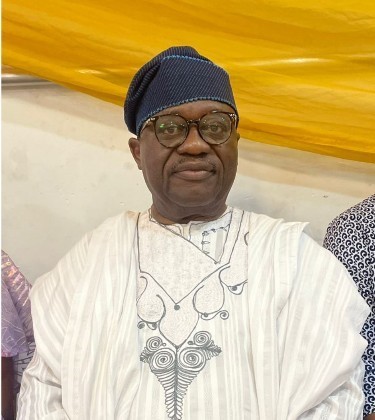
A psychiatrist has called on Africans to deliberately reclaim their identity and sense of self-worth, arguing that the psychological wounds of colonialism continue to damage how the continent's people see themselves.
The mental health professional made the case that centuries of colonial rule left deep marks on African psychology, particularly in how people perceive beauty, value, and their place in the world. These effects persist today, even long after independence, shaping everything from how Africans judge their own appearance to how they measure success and worth.
The psychiatrist emphasised that reclaiming African identity is not merely a cultural or political exercise. It is a mental health imperative. When Africans internalise the values and standards imposed by colonisers, they reject their own features, their own histories, their own ways of knowing and being. This rejection becomes psychological self-harm.
The call comes as many African nations continue to grapple with the legacy of colonialism in multiple spheres: education systems still modelled on European frameworks, economic structures designed to extract rather than build, and deeply embedded inferiority complexes about African knowledge, African aesthetics, and African capability.
According to the psychiatrist, the path forward requires deliberate, conscious work. Africans must study their own histories before colonialism, celebrate their own standards of beauty, invest in their own intellectual traditions, and teach young people that African ways of thinking and being are valid and valuable. This is not nostalgia or romantic pan-Africanism. It is psychological survival and healing.
The message resonates particularly with young Africans who navigate a globalised world saturated with non-African beauty standards, non-African values, and non-African definitions of success. Many grow up believing that to be beautiful, successful, or intelligent means to be less African, to adopt foreign accents, to lighten their skin, to abandon their languages.
The psychiatrist's call challenges Africans across the continent to interrogate these beliefs and to actively reconstruct a sense of self grounded in African identity, African history, and African values. This work happens in families, in schools, in media, in governance, and ultimately, in the minds of individual Africans who must choose to see themselves and their continent differently.