
Star Okigwe spent 18 months saving for his first car after finishing his NYSC service and landing a job at a Lagos blue-chip company. The foreign-used Toyota he bought broke down three months later. A mechanic's inspection delivered the blow: the car had been in a major accident abroad, poorly repaired, and shipped to Nigeria. The repair bill ran into hundreds of thousands of naira.
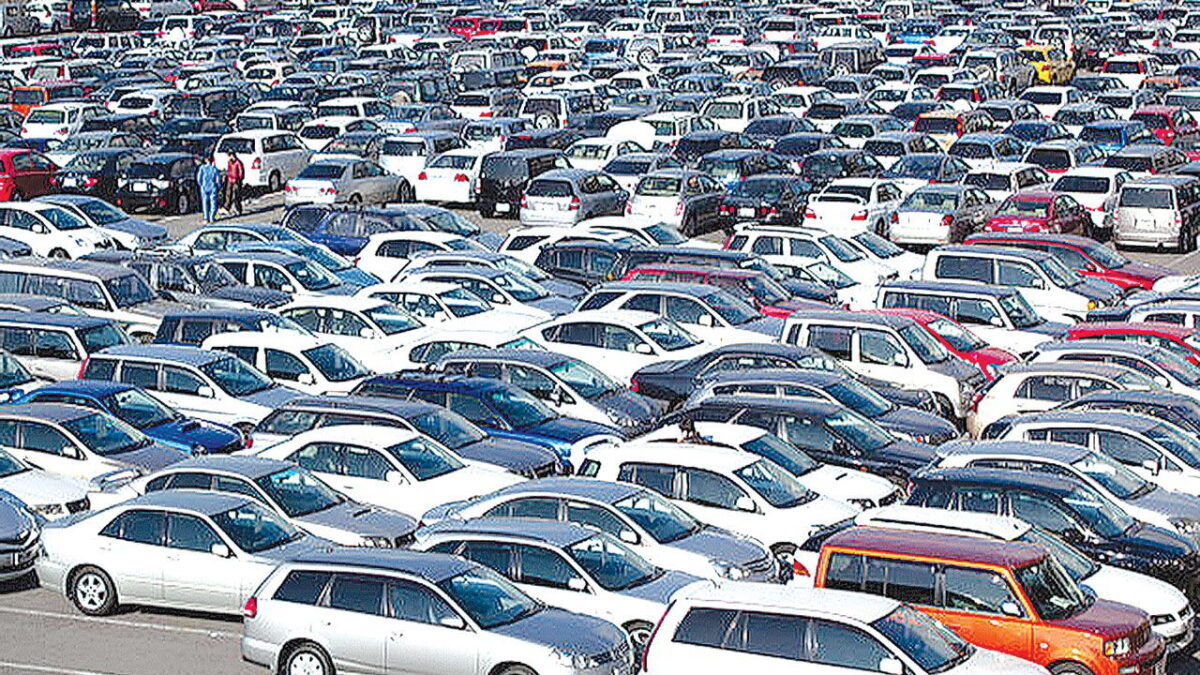
His story is not unique. Across Nigeria, unsuspecting buyers are purchasing what dealers call "tokunbo" vehicles—imported second-hand cars—without knowing they are accident write-offs that insurance companies in the United States and Canada deemed too damaged to repair. The vehicles are patched up and sent to Nigeria, where they are sold to people who believe they are getting reliable imports.
Ekundayo Japheat, a businessman in his late 50s, nearly became another victim. When he went to buy a 2018 Toyota RAV4 at a car lot in Ondo State in 2025, he insisted on hiring a professional mechanic first. That decision saved him. The mechanic identified that the vehicle had been involved in a major accident in the United States. Japheat's friend had a similar near-miss months earlier in Akure, only discovering the accident history after a skilled mechanic flagged it. Both men walked away. Many others have not been so fortunate.
The National Motor Vehicle Title Information System and the Insurance Information Institute classify these vehicles as salvage cars—those written off by insurers because repair costs would exceed their value. Automobile experts say the problems are severe: structural integrity failures, sudden mechanical breakdowns, compromised safety systems, hidden damage, and corrosion protection breakdown. If these repairs are done poorly, which they often are, the vehicles become ticking time bombs on Nigerian roads.
A 2023 study published by BMC Public Health titled "A comparative analysis of road and vehicle qualities as factors of road traffic carnage in Nigeria" found that vehicle quality is a stronger predictor of road deaths than road conditions themselves. The researchers noted that as vehicle quality deteriorates in Nigeria—driven largely by the influx of accident-damaged imports—death tolls from road crashes climb accordingly. For every decrease in vehicle quality, fatalities increase. The study stated plainly: "Deteriorating vehicle quality results in higher road traffic death tolls than the corresponding decrease in road quality."
Why do these vehicles keep entering the market? The answer lies in affordability. New cars have become out of reach for most Nigerians due to inflation and the naira's weakness against foreign currency. Second-hand imports are cheaper, which makes them attractive to buyers with limited budgets. Dealers source these vehicles from auction houses in the US and Canada where they are sold in bulk, often without full disclosure of accident histories. The vehicles are then shipped to Nigeria, where regulation is weaker and detection is harder.
Mechanics say the repairs are becoming increasingly difficult to spot. A fresh paint job, new upholstery, and careful welding can hide catastrophic damage from casual inspection. Buyers without technical knowledge cannot tell the difference between a properly maintained import and a reconstructed accident vehicle. The financial motivation for dealers is clear: a car that cost $5,000 to $8,000 (roughly ₦8 million to ₦13 million) in an American salvage auction can be sold in Nigeria for two or three times that price, with no disclosure of its past.
The human cost is mounting. Beyond the financial loss when vehicles fail unexpectedly, there is the safety risk. A vehicle with hidden structural damage or failing brake systems poses a danger not just to its owner but to other road users. In a country where road crashes already kill thousands annually, importing defective vehicles amounts to adding fuel to the fire.
Regulatory bodies in Nigeria have been slow to address the problem. There is no systematic way for buyers to check the history of imported vehicles before purchase. The Nigerian Customs Service inspects vehicles at ports, but the checks focus on duties and documentation, not on whether a car was previously damaged. Once a vehicle clears customs, it enters the market with no record of its past.
Civil society groups and consumer advocates have called for stronger regulations, including mandatory pre-import inspections and a national vehicle history database similar to systems in developed countries. They also want mandatory disclosure requirements for dealers selling imported vehicles. So far, little has changed. The vehicles continue to arrive, and buyers continue to suffer.