Nigeria's new Electoral Act, passed into law in February 2026, promised to be the cure-all for electoral dysfunction that has plagued the country since 1999. It did not deliver. The law, like its predecessors, remains incomplete and repeats patterns that have dogged Nigerian elections for decades, leaving the mechanics of party primaries dangerously unaccountable.
When lawmakers crafted the 2026 Act, the hope was clear: a comprehensive framework that would finally impose order on how political parties select their candidates. Party primaries have long been a grey zone in Nigerian politics, prone to manipulation, violence, and exclusion. Fixing this was supposed to be the Act's defining achievement.
Instead, the law fails where it matters most. The accountability gaps that characterised earlier electoral frameworks persist. Parties still operate primaries with minimal oversight. There is no mechanism to ensure fair conduct, no real penalty for rigging, and no way to guarantee that results reflect the will of party members. The same old problems resurface under a new name.
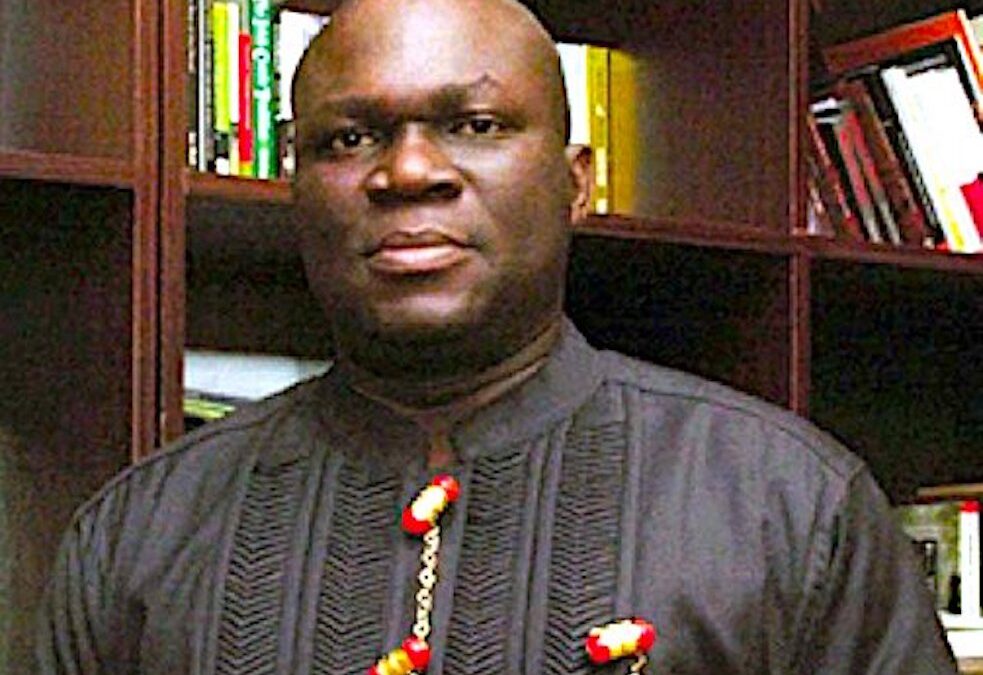
Reuben Abati, a veteran political commentator, has examined the law's shortcomings in detail. His analysis shows that the 2026 Act treats party primaries as internal party matters, largely beyond regulatory reach. This is where the problem lies. When primaries are treated as private affairs, accountability vanishes. Party elders rig them. Money talks louder than merit. Unpopular candidates win because they paid more, not because they earned more votes.
The broader consequence is clear: rigged primaries produce weak candidates, weak candidates produce poor governance, and poor governance undermines democracy itself. By failing to regulate primaries properly, the Electoral Act 2026 has missed the chance to strengthen democracy at its foundation.
What happens now depends on whether civil society organisations and election observers will demand amendments. The National Assembly could revisit the Act and add specific provisions for primary election monitoring, candidate verification, and dispute resolution. Without such changes, Nigeria will limp into the next election cycle with the same broken system, dressed up in new legislation but delivering the same old results.