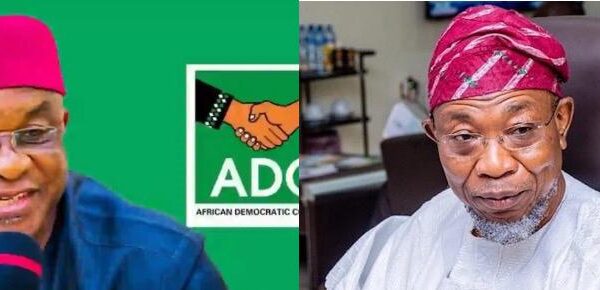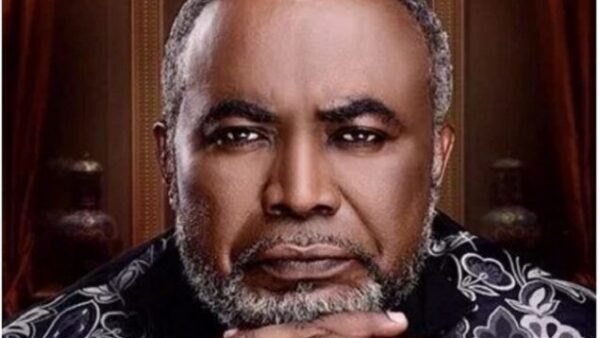

Femi Fani-Kayode and Reno Omokri have come out against any move to return power to the North before 2031, arguing that President Bola Tinubu deserves a second term to complete his agenda for the country.
Fani-Kayode, a former minister and prominent political voice, made his position clear in recent comments, saying that the South had been shortchanged in the power arrangement and needed more time to consolidate gains. Omokri, a media personality and political analyst, echoed similar sentiments, stressing that equity and fairness demanded that the South retain the presidency beyond Tinubu's first term.
The two men's stance puts them at odds with some Northern politicians and groups who have begun positioning for a return of the presidency to the North in 2027 or thereabouts. Their argument centres on the need for continuity and the principle that no region should be denied the opportunity to complete what it started.
Fani-Kayode said Tinubu's administration has embarked on reforms that require time to yield results and that pulling power away from the South prematurely would undo progress. He framed the matter as one of justice, pointing out that the North had held power for a significant portion of Nigeria's post-independence history.
Omokri went further, suggesting that rotation should be based on performance and development outcomes rather than a rigid timetable. He warned against what he called a return to the old politics of entitlement, where regions expected power simply because it was their turn.
Both men have been influential in shaping public discourse around governance and power distribution. Their intervention in the debate signals a broader conversation within the South about whether the region should consolidate its hold on power or honour what many see as an unwritten agreement about power rotation.
The position of Fani-Kayode and Omokri will likely energize supporters of Tinubu's re-election campaign while drawing criticism from Northern power brokers who view 2027 as their rightful time. The debate over Nigeria's power rotation formula remains unresolved, and these interventions suggest the conversation will only intensify as 2027 approaches.