
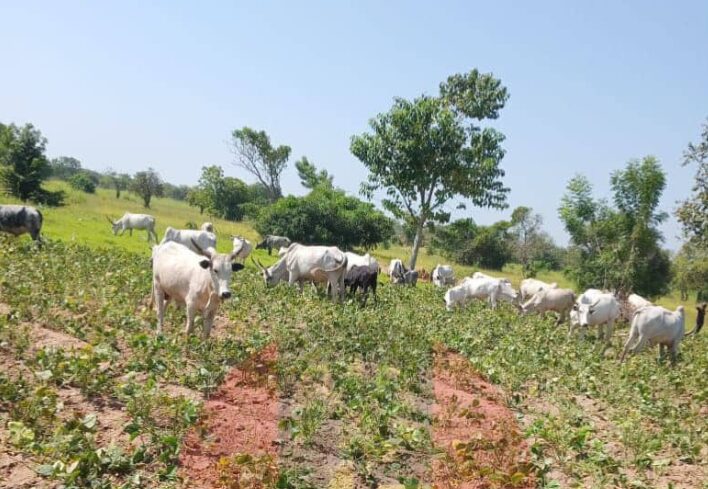
The Federal Government is reviving grazing reserves and promoting commercial ranching across Nigeria to stop the cycle of farmer-herder clashes that have killed thousands and displaced entire communities.
The push comes as open grazing by Fulani herders continues to spark deadly conflicts in farming regions, particularly across the Middle Belt and northern states. Government officials say ranching, where herders keep cattle on enclosed land instead of allowing them to roam freely, offers a way out of the violence that has crippled agriculture and rural economies.
The plan involves restoring old grazing reserves that have fallen into disuse and creating new ones in partnership with state governments. Officials believe that keeping livestock contained will reduce pressure on farmland, lower tensions between pastoralists and farmers, and let both groups work without fear of losing their crops or animals.
Food security sits at the heart of the strategy. Nigeria imports billions of naira worth of food yearly while its own farmers struggle to produce enough. Government officials argue that stopping herder-farmer violence will allow farming to expand while also professionalising livestock production through ranching, which produces more meat and milk per animal than traditional grazing.
The initiative also promises training programmes for herders interested in moving to ranches, along with financial support to help them transition. State governments are expected to identify suitable land and work with communities to establish the reserves.
Farmers in conflict zones have welcomed the idea, saying ranching would finally give them peace to plant and harvest without armed herders destroying their crops. Herder groups have expressed willingness to participate, though some worry about the cost of shifting to ranching and whether government will deliver promised support.
Implementation begins immediately, with the government working with state authorities to map out grazing reserves and register herders willing to move to ranches. Officials plan to have pilot ranches operational within the next two years across five states before rolling out the scheme nationally.