
A plate of jollof rice costs more than it did last year, and that simple fact tells you everything about what has happened to the Nigerian economy in 2024.
When the CBN raised its policy rate to 27.25 percent in May to fight inflation, the governor spoke about cooling demand and stabilising the naira. What he did not mention was that Nigerians would soon find it harder to eat. The numbers in government reports lag reality by weeks or months. Food prices do not wait for statistics bureaus to catch up.
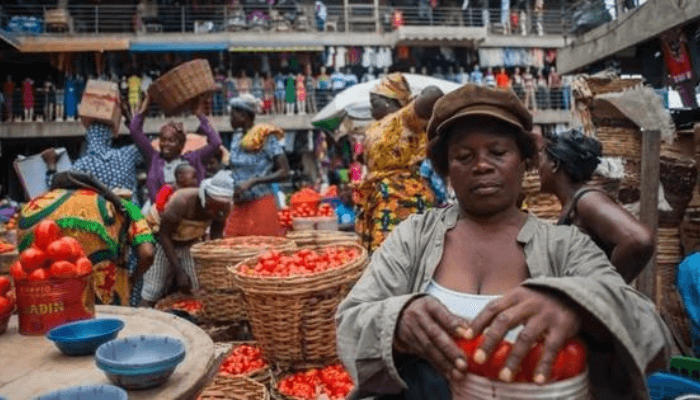
Take a plate of jollof rice. In Lagos markets, what cost 1,500 naira eighteen months ago now sells for 2,500 to 3,000 naira, depending on where you buy it. The price of tomatoes, the soul of any jollof pot, tripled. Onions doubled. A bag of rice that restaurants buy wholesale has become another line item that forces choices: sell fewer plates, raise prices, or both.
This is what inflation looks like when you stop looking at index numbers and start looking at what a family actually eats. The Jollof Index, as some analysts have started calling it, reveals a truth that official statistics sometimes miss. When inflation hits 34 percent year-on-year, as it did in October, it does not hit everything equally. It hits food hardest because food is what takes up most of a poor person's budget.
A survey of restaurants and food vendors across Lagos, Abuja, and Port Harcourt shows the pattern repeats everywhere. A plate of rice and stew that cost 1,200 naira in early 2023 now costs between 2,200 and 2,800 naira. Tuwo, a Northern staple, jumped from 500 to 800 naira per serving. Akamu, garri, and fufu all moved the same direction. The cheapest meals have gotten more expensive, which means they have gotten less affordable for the people who depend on them.
Chefs and restaurant owners say their suppliers have doubled prices twice in the past year. One caterer in Yaba who prepares meals for office workers said she used to spend 8,000 naira daily on ingredients and sell 40 plates for 1,500 each, clearing 52,000 naira before costs. Now she spends 15,000 naira on ingredients and can only charge 2,000 per plate without pricing out her customers entirely. Her profit has collapsed even as her revenue climbed.
The government's response has focused on supply-side fixes: fixing ports, clearing backlogs, removing taxes on food imports. These matter. But they take months to work. A vendor buying tomatoes today cannot wait for policy to take effect. She needs to eat, and she needs her business to survive the next quarter.
What makes the Jollof Index useful is that it moves faster than official inflation figures. When the CBN's data shows food inflation at 40 percent, a walk through Lekki market shows you it is closer to 50 or 60 percent for items people buy most often. This gap matters because it means millions of Nigerians are already living in an inflation crisis that formal statistics have not yet fully captured.
The CBN has held rates steady at 27.25 percent since May, betting that the worst of inflation has passed. Food prices suggest otherwise. Until the naira stabilises, until imports become cheaper, and until local production catches up to demand, a plate of jollof rice will keep getting more expensive. And that is a problem no policy rate can fix in a single quarter.


