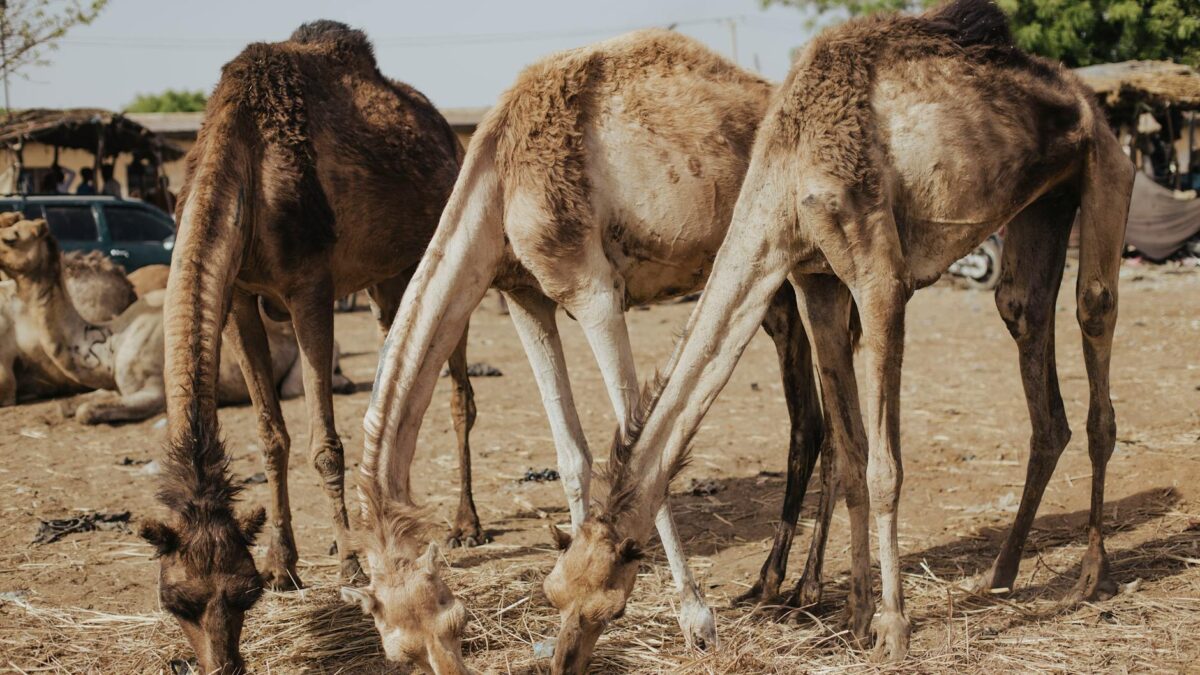
Sheep traders at Kara Market near the Lagos-Ogun border are struggling to move animals as prices have nearly doubled ahead of Eid-al-Adha, with a single animal now costing between N250,000 and N1.2 million depending on size.
Last year, the same livestock sold for N150,000 to N1 million. The surge reflects the perfect storm battering Nigeria's economy: petrol prices have nearly doubled from around N850 per litre to over N1,320, fuel for trucks has become prohibitively expensive, and violence in the northeast has disrupted supply chains and made traders fearful.
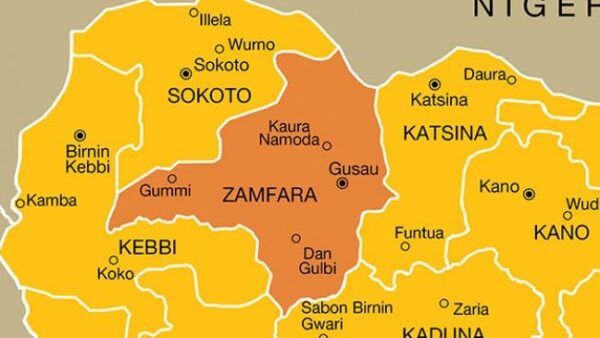
Abdullahi Bukar, a 29-year-old trader from Yobe state, said the cost of doing business has exploded. Insurgency in the northeast, multiple illegal taxes, and toll collections by security officials have all driven up the price of livestock. "We are always scared when we go to the market to buy livestock because terrorists usually attack the markets where we buy stock," Bukar said. "Sometimes people don't come to the market to sell to us because of fear." SBM Intelligence, a Lagos-based risk consultancy, recorded more than 2,100 civilian deaths from violent incidents and terrorist attacks in the first quarter of the year alone.
The squeeze is hitting ordinary Nigerians hard. Ibrahim Kosoko, a shopper, was quoted N1.2 million for a sheep he considered modest in size. He walked away and bought one for around N400,000 instead, a sum that represents almost six months of Nigeria's N70,000 monthly minimum wage. "I had to look for something I can afford," he said.
Transport has become the biggest nightmare for traders. Abubakar Dauda, 33, from Adamawa state, said truck drivers now charge N2.7 million to haul livestock south from the northeast, nearly three times what he paid in 2025. On top of that, he spends up to N300,000 navigating police checkpoints and state taxes along the journey. Dauda imports most of his sheep from Chad, and exchange rate swings have made sourcing costs even steeper.
The Middle East war has hammered petrol prices across Nigeria, pushing fuel from around N195 per litre at the start of 2023 to current record highs. Many Muslims are now reconsidering travel plans for Eid celebrations. Taibat Bashir, a 40-year-old civil servant from Kwara state, said she needs at least N80,000 just to travel home with her child and back. "That's not something I can afford," she said. Rising jihadist violence in her state has made the trip feel even less worthwhile.
At Kara Market on Friday, buyers and sellers picked their way through mud and drizzle, hunting for deals. Thousands of sheep arrive daily from the north as the Muslim festival approaches, but traders complained that sales have been sluggish. With roughly half of Nigeria's population Muslim, demand typically surges during Sallah, but this year's economic headwinds have dampened appetite.