
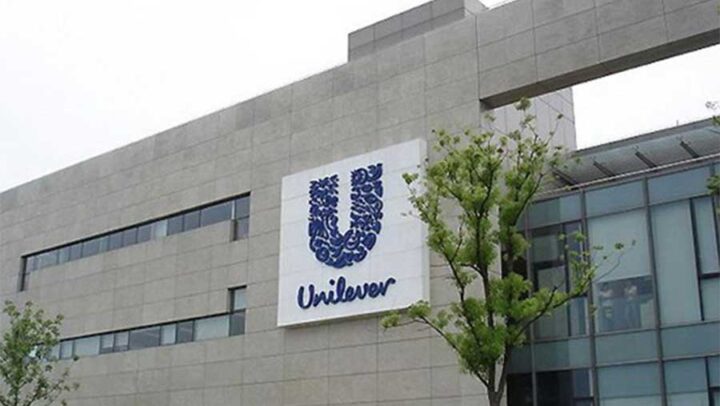
Unilever Nigeria has emerged as the strongest performer among Nigeria's three largest listed consumer goods companies in the first quarter of 2026, delivering revenue growth of nearly 26 percent while competitors grappled with stubborn cost inflation that eroded their profit margins.
The three companies collectively posted revenue of N425.13 billion, up 12.15 percent from the prior year. But beneath this headline growth sits a story of diverging operational quality. While gross profit improved slightly, operating profit actually fell 0.51 percent as rising expenses ate into sales gains. Pre-tax profit jumped 31.14 percent on the back of lower finance costs, but combined net profit climbed only 19.05 percent, a sign that margin expansion remains elusive across the sector.
Unilever's 25.96 percent revenue growth stood apart from the pack. The company managed to expand both its gross and operating margins through disciplined cost control and a healthier balance sheet. This performance translated into stronger profitability and better dividend visibility, cementing Unilever's position as the most operationally efficient of the three competitors. Its share price rally appears grounded in real earnings power rather than mere sentiment.
Nestlé Nigeria grew revenue by 10.59 percent but continued to face pressure on margins from rising operating expenses. The company remains the largest profit pool in the sector, yet leverage concerns linger as it battles to convert sales growth into improved operating margins. A strong recovery in profit after tax provided some relief, but the underlying cost dynamics remain troubling.
Cadbury Nigeria delivered the weakest results. Revenue grew just 7 percent, yet the company saw faster increases in both the cost of sales and operating expenses. Gross margin compressed sharply as a result. Operating profit collapsed by more than half, though foreign exchange gains and lower interest expenses limited the damage to bottom-line earnings. The company's inability to grow fast enough while costs accelerate presents a real challenge.
The three companies have remained strong share price performers since 2025, but Q1 results expose how much their earnings quality differs. Investors have been betting on margin recovery as cost pressures ease, but the quarter suggests this remains uncertain. Raw material input costs, distribution expenses, and finance charges will be the key battlegrounds in coming quarters. Any sustained recovery in profitability will require these three to convert revenue growth into consistent operating leverage and better cash generation.
Liquidity trends and debt management will also separate winners from losers, particularly for Cadbury and Nestlé. Unilever's comparatively stronger balance sheet gives it room to navigate continued cost pressures. Analysts will monitor second quarter results closely to determine whether first quarter trends continue or whether cost inflation finally begins to ease.


