
Delaying treatment for cataracts in children can permanently damage their vision, an expert has warned.
Mr Osayamen explained that cataracts in children develop in two ways. Some babies are born with them, a condition called congenital cataract. Others develop cataracts later in childhood after eye injuries, certain medications, infections, or underlying medical conditions.
The warning comes as parents and caregivers often miss early signs of the condition, allowing it to progress unchecked. Once vision loss from untreated cataracts becomes severe, the damage cannot be reversed even with surgery later on.
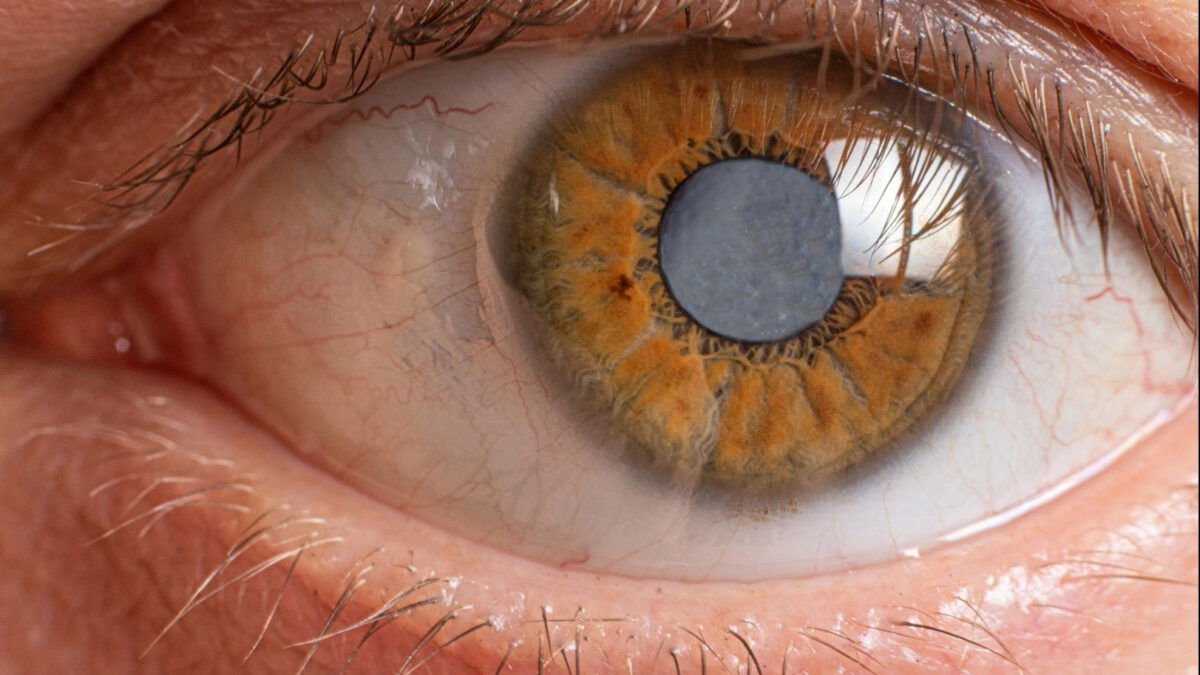
Cataracts cloud the eye's lens, preventing light from passing through clearly to the retina. In children, this blocking of light during crucial developmental years stops the eyes from learning to see properly. The younger a child is when cataracts develop, the faster permanent vision loss occurs.
Parents should watch for signs of cataracts in their children, including a white or gray appearance in the pupil, difficulty following objects, sensitivity to light, or frequent eye rubbing. Any child showing these symptoms needs immediate eye examination by an ophthalmologist.
Treatment depends on the type and severity of the cataract. Some mild cases may only need monitoring with regular eye checks. More serious cases require surgery to remove the clouded lens, often followed by glasses, contact lenses, or intraocular lens implants to help the eye focus light properly.
Osayamen stressed that early detection and prompt treatment offer the best chance of preserving a child's vision. Parents in rural areas with limited access to eye care specialists should take children to nearby health facilities at the first sign of eye problems.
The expert's warning underscores the need for routine eye screening in schools and at vaccination clinics where many children gather. Health workers should educate mothers during antenatal and postnatal visits about recognizing signs of childhood cataracts and the importance of seeking help early.