
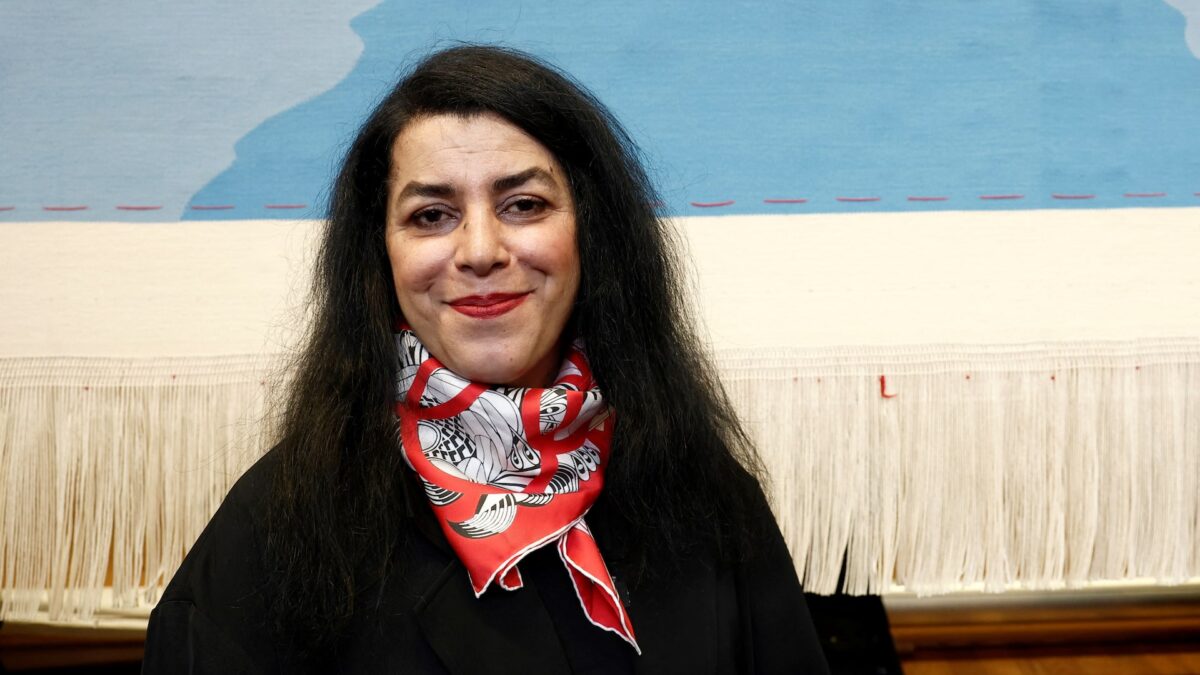
Marjane Satrapi, the French-Iranian author and filmmaker whose graphic novel Persepolis became a global bestseller, died on Thursday at 56. Her family and the French government confirmed her death.
Satrapi built her reputation on Persepolis, a semi-autobiographical graphic novel that chronicled her childhood in Tehran during and after the Islamic Revolution. The work, first published in 2000, told the story of a young girl growing up under Iran's new Islamic regime, her rebellion against its restrictions, and her eventual exile to Europe. The book's unflinching portrayal of life in revolutionary Iran, drawn in bold black-and-white illustrations, resonated with readers worldwide and made Satrapi's name.
Beyond the page, Satrapi adapted Persepolis into an animated film in 2007, which she co-directed. The film earned international acclaim and was nominated for the Academy Award for Best Animated Feature. She went on to direct other films, including Chicken with Plums, a drama about a musician's decision to end his life, and The Voices, a psychological thriller.
Born in Rasht, Iran, in 1969, Satrapi moved to Vienna as a teenager after her parents decided she would receive a better education abroad. She later settled in France, where she studied illustration and began her career as a comic artist and illustrator. Her work often explored themes of cultural displacement, identity, and the human cost of political ideology.
Beyond Persepolis, Satrapi wrote and illustrated several other graphic novels and children's books. Embroideries, published in 2005, collected conversations between Iranian women, while Chicken with Plums, adapted into film, followed a man's final days. She also illustrated works by other authors and contributed to numerous exhibitions and literary projects across Europe.
Satrapi's death marks the loss of one of the most influential voices in contemporary graphic literature. Her work gave the world an intimate, unfiltered look at life under authoritarian rule through the eyes of someone who lived it. Persepolis remains taught in schools and universities globally as a text that shaped how millions understood Iran and the immigrant experience.