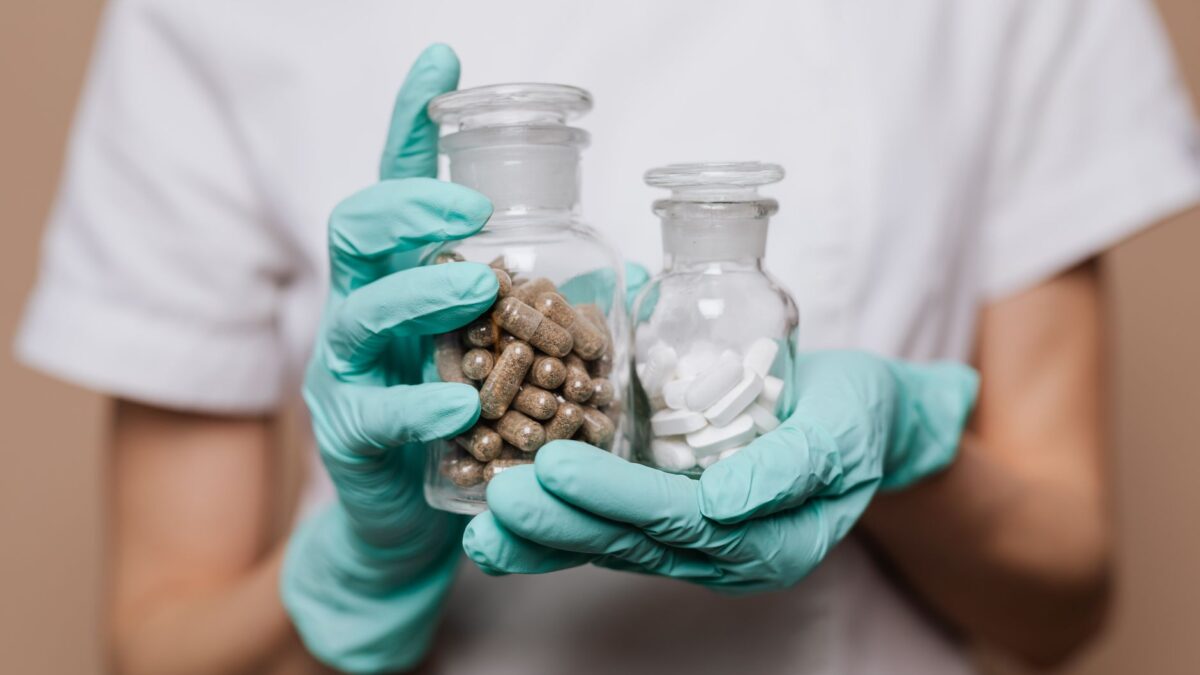
Plateau State authorities shut down 572 medicine outlets in a single enforcement operation. The outlets were selling fake, substandard, and unregistered drugs. This is not a minor problem of a few bad actors. This is evidence that Nigeria's system for controlling what goes into Nigerian bodies has fundamentally collapsed.
Let us be clear about what happened. Over five hundred retail points where sick Nigerians go to buy medication were operating outside the law and outside any meaningful quality control. A mother buying medicine for her feverish child at one of these outlets had no assurance whatsoever that what she was paying for would help. It might harm. It might do nothing. She would not know until her child either improved or worsened. This is the reality created by a regulatory system that cannot or will not do its job.
The National Agency for Food and Drug Administration and Control exists. It has a budget. It has staff. Yet somehow 572 medicine outlets in one state alone operated in violation of basic standards. Either NAFDAC lacks the capacity to monitor the market, or it lacks the will, or both. The closure of these outlets suggests they were known to authorities. The question is why they were allowed to operate for so long, accumulating customers, profits, and victims.
This matters because fake drugs are not a victimless crime. The World Health Organization estimates that substandard and falsified medicines cause at least 72,000 deaths per year in sub-Saharan Africa. Many of these deaths occur in Nigeria. A mother who buys fake antimalarial for her child does not simply waste money. She watches her child remain sick, sometimes worsens, sometimes loses the child entirely. A diabetic who takes counterfeit insulin risks organ failure. These are not abstract statistics. They are children and parents and working people whose lives become worse because they cannot trust the medicine they buy.
Someone will say that the problem is poverty. Nigerians buy fake medicine because they cannot afford real medicine. This is true but it does not excuse regulatory failure. It explains it. But it does not solve it. Denmark is wealthy and has effective drug regulation. Rwanda is much poorer than Nigeria but has achieved higher quality control in its pharmaceutical market because it invested in enforcement capacity and political will. The poverty argument becomes an excuse for inaction when a government could be doing more with what it has.
The real scandal here is not that Plateau State found 572 illegal outlets. The scandal is that this was treated as news instead of routine enforcement. In a functioning system, illegal medicine retailers would be shut down as quickly as they opened. Instead they accumulate in the hundreds because the system has given up on enforcement as a regular practice. This operation looks like what happens when authorities finally decide to care about a problem that has festered for months or years.
Where do these fake drugs come from? Some are manufactured locally in unregistered facilities. Some are imported through ports where inspection is cursory. Some are diverted from legitimate supply chains. The supply exists because demand exists and because profit is possible. A seller can buy counterfeit malaria drugs for half the price of real ones and sell them at near full price. The margin is enormous and the risk of serious punishment is small. This is why the problem persists.
Fix it requires three things. First, NAFDAC needs resources to conduct regular inspections. Not just in Plateau State when a crisis develops, but across the country on a schedule. Second, the penalties for selling fake drugs need to be severe enough that they actually deter. Right now a medicine seller might be shut down but faces no personal criminal liability in most cases. This needs to change. Third, the ports and borders where drugs enter Nigeria need functioning inspection systems with actual authority to stop shipments. This requires resources and coordination between agencies that currently do not talk to each other well.
The government has announced this shutdown as a success. It was necessary work. But it is not success. Success would be a pharmaceutical market where a citizen can assume that what is for sale is real. That is what success looks like in Kenya, in Ghana, in Botswana. Nigeria is not there. Nigeria is at the stage where authorities occasionally crack down on what everyone knows is happening daily.
The 572 outlets shut down in Plateau will likely reopen under different names or move to the next town. Unless the enforcement becomes regular and the penalties become real, this cycle will continue. Another state will discover another batch of illegal retailers. There will be another press release. Another temporary satisfaction that something was done.
What needs to happen is for Plateau State's action to become the norm, not the exception. The Federal Government needs to fund NAFDAC properly and hold it accountable for results. State governments need to pass laws with meaningful penalties for drug counterfeiting and distribute them to every pharmacy and medicine seller. Border control needs money and authority. Without these things, the next mother buying medicine for her feverish child will still be buying a gamble instead of a cure.
OduViews represents the editorial opinion of OduNews.