A senior United States official rejected claims on Saturday that Washington had agreed to release Iran's frozen assets stored in Qatar and other foreign banks, dismissing the report as false just as delegations from both nations arrived in Islamabad for Middle East peace negotiations.
Iranian and American delegations touched down in Pakistan's capital on Saturday to begin talks aimed at ending the ongoing conflict in the Middle East. The negotiations mark a significant diplomatic push as tensions escalate across the region.
Tehran had previously made clear that any permanent agreement to halt fighting must include the unfreezing of sanctioned Iranian assets and a cessation of Israel's military operations against Hezbollah in Lebanon. These conditions formed the core of Iran's negotiating position before the delegations convened.
An unnamed senior Iranian source told Reuters that the United States had consented to unfreeze the assets, linking the decision directly to guaranteeing safe passage for shipping through the Strait of Hormuz. The claim suggested a major concession from Washington in exchange for maritime security in the critical waterway.
The White House responded swiftly to counter the report. A senior US official stated in a message that the claim was false, adding that the meetings had not even commenced at the time of the report. This direct denial underscored the disconnect between Iranian claims and the American position on asset freezes.
On Saturday, Pakistan's Prime Minister Shehbaz Sharif held talks with US Vice President JD Vance in Islamabad, according to the Prime Minister's office. Sharif's team announced that peace talks intended to resolve the Middle East conflict had begun following that meeting.
The timing of the conflicting statements highlighted the fragile nature of the negotiations. Iran's release of information through unnamed sources, coupled with Washington's immediate denial, suggested significant daylight remained between the two nations on core issues including sanctions relief.
The Strait of Hormuz remains one of the world's most strategically vital shipping routes, with roughly one-third of all seaborne traded oil passing through its waters annually. Any agreement affecting passage through the waterway carries global economic implications.
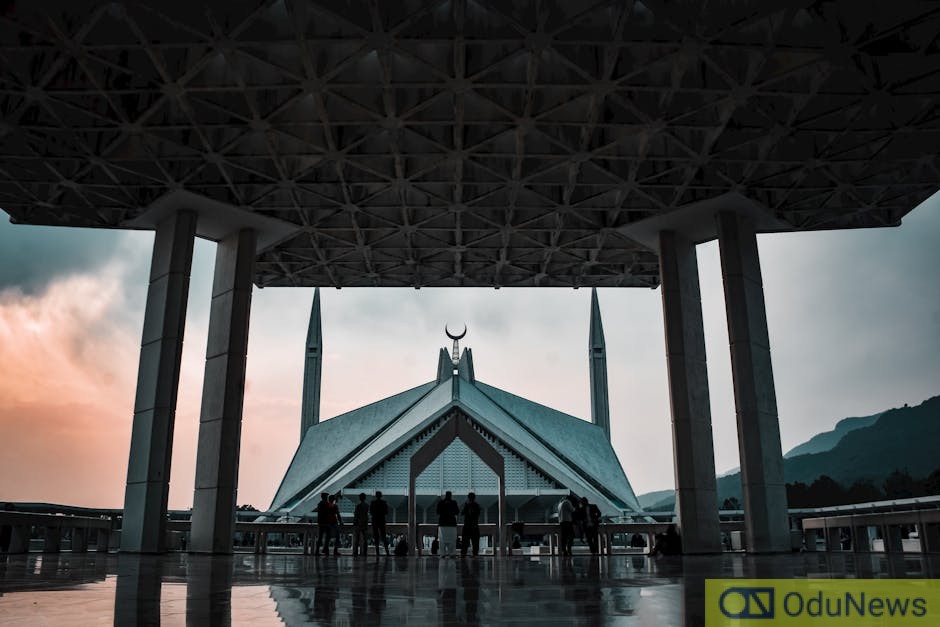
Pakistan's role as host for these talks reflects Islamabad's diplomatic standing in regional affairs and its historical relationships with both Iran and the United States. The country has previously mediated disputes between multiple parties in Middle Eastern conflicts.
The delegations are expected to continue negotiations in the coming days, with Pakistan serving as neutral ground for discussions. The outcome of these talks could reshape the military and political dynamics across the Middle East, particularly regarding Iran's regional influence and the US role in Gulf security arrangements.