
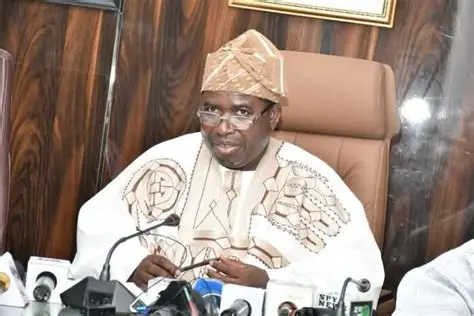
The Independent National Electoral Commission has dismissed allegations of partisan conduct by its leadership as a coordinated campaign of digital impersonation aimed at damaging the institution's reputation. Lawrence Bayode, the commission's ICT Director, made this clarification on Monday during an interview on Channels Television, addressing controversy surrounding social media posts that had been attributed to the INEC chairman.
Bayode explained that the resurfaced posts did not originate from any official INEC account or from the personal accounts of commission leadership. Instead, he characterised the entire episode as a deliberate attempt by unknown actors to discredit both the electoral body and its officials through fraudulent online activity. The ICT director stressed that such attacks represent a broader threat to institutional integrity and public trust in electoral processes.
The timing of these allegations has raised concerns within INEC about the growing sophistication of digital fraud targeting government institutions. Bayode pointed out that cybercriminals and hostile actors have become increasingly adept at impersonating officials and creating fake accounts that mimic legitimate communications. These tactics, he noted, are designed to sow confusion among the public and create false impressions about the positions taken by INEC leadership.
The commission has begun an internal investigation to trace the origins of the disputed posts and identify those responsible for the impersonation campaign. INEC's cyber security team is working to document evidence and establish how the fraudulent accounts were created and operated. This investigation forms part of a broader effort to protect the institution's digital infrastructure from future attacks of this nature.
Bayode warned that members of the public should exercise caution when encountering social media posts claiming to come from INEC officials or the commission itself. He advised citizens to verify all important announcements through official INEC channels, including the commission's verified social media accounts and its main website. The ICT director also called on media organisations to exercise editorial diligence before amplifying unverified claims about INEC personnel.
This incident underscores the vulnerability of government institutions to digital attacks in an era when social media has become a primary platform for public communication. The prevalence of deepfakes and account spoofing has made it increasingly difficult for the public to distinguish authentic communications from fraudulent ones. INEC's experience demonstrates how such attacks can quickly spread misinformation and undermine public confidence in electoral institutions.
The commission has indicated that it plans to strengthen its digital security protocols and enhance staff training on cybersecurity best practices. These measures will include regular audits of all official accounts, implementation of two-factor authentication for sensitive communications, and clearer guidelines for staff members about online security. INEC has also committed to working more closely with cybersecurity agencies and other government bodies to share intelligence about emerging digital threats.
Bayode's statement on Channels Television represents part of INEC's broader communications strategy to address public concerns about the authenticity of online content attributed to the commission. The ICT director's decision to speak publicly about the impersonation campaign reflects the institution's determination to protect its reputation and maintain public trust ahead of future electoral processes. By framing the controversy as an attack on the institution rather than on individuals, INEC has attempted to deflect attention away from the specific allegations and refocus the narrative on cybersecurity threats.
The commission will present its findings from the internal investigation to the public once the inquiry is complete, according to statements made by Bayode during the television interview. INEC has also signalled its willingness to cooperate with law enforcement agencies in prosecuting those responsible for the impersonation campaign once they are identified. The commission views this matter as part of a larger challenge facing Nigerian institutions in protecting their digital assets and maintaining the integrity of official communications in an increasingly connected world.