
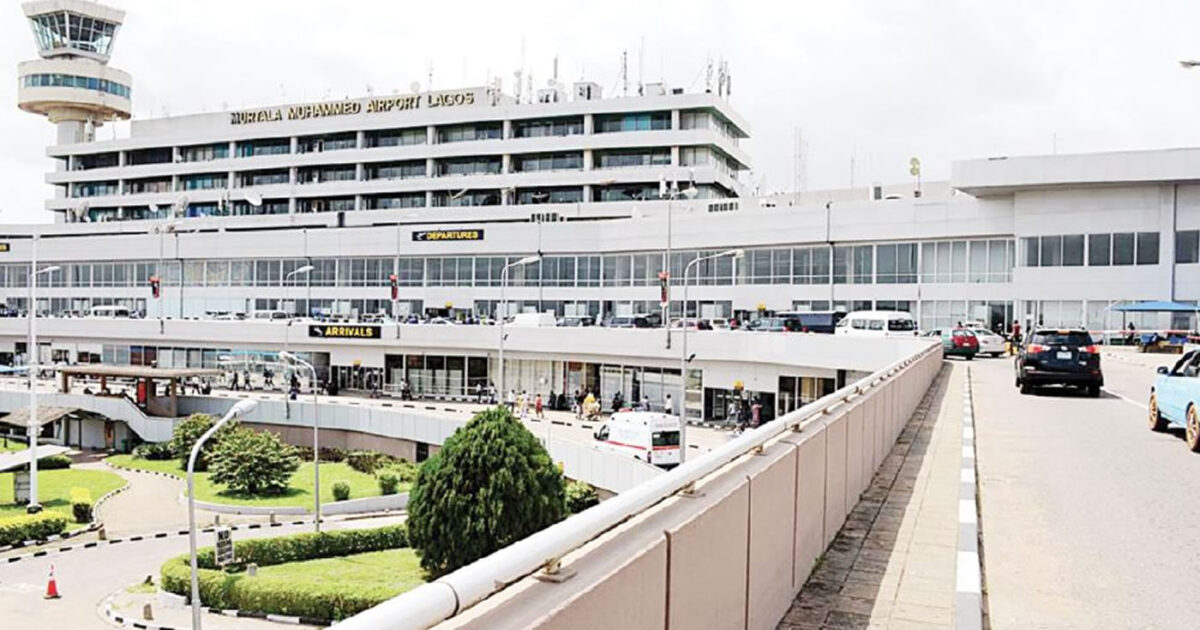
The Murtala Muhammed Airport 2 management says the recent increase in parking charges is not about making money but controlling how people use the facilities.
The airport raised its parking rates recently, a move that sparked questions from travellers and industry watchers about whether the decision was purely financial. The management moved to clarify its position, arguing that the hike serves a different purpose altogether.
According to the airport's position, the higher fees function as a deterrent against misuse of parking spaces. The management explained that some users had been leaving vehicles in the facility for extended periods, creating congestion and reducing available spaces for actual airport passengers and visitors who need short-term parking.
By pricing parking more aggressively, the airport hopes to discourage people from treating the facility as cheap long-term storage. This is a common strategy at airports worldwide, where pricing mechanisms help manage traffic flow and ensure spaces turn over efficiently. The logic is straightforward: if staying longer becomes expensive, users park only as long as they genuinely need to.
The airport management's statement pushes back against the perception that the hike is simply a revenue grab during economically difficult times. While higher fees inevitably generate more money, the airport framed the move as disciplinary rather than commercial. The distinction matters for public perception, especially in an environment where transport users already face multiple cost pressures.
It remains unclear whether the public and regular airport users accept this explanation. Many Nigerians view airport fees and charges with suspicion, often seeing them as hidden taxes. The management's clarification, delivered through video, suggests they felt compelled to address the narrative directly rather than letting complaints fester.
The airport will monitor how the new rates affect parking behaviour over the coming weeks and months. If the aim is genuinely to reduce abuse and manage capacity, the metrics will show whether vehicles spend less time in the facility and whether congestion eases.