
Nigeria's mining sector is haemorrhaging billions through illicit financial flows, with opaque ownership structures, informal operations, and weak regulation allowing criminals and corrupt officials to spirit money out of the country unchecked, the Nigeria Extractive Industries Transparency Initiative said yesterday.
NEITI released a policy brief identifying the root causes of the leakages. At the top of the list: shell companies and layered corporate structures that hide who actually owns mining assets. Foreign buyers dominate the market. The Ministry of Solid Minerals Development, the Mining Cadastre Office, NEITI itself, the customs service, the Financial Intelligence Unit, and state agencies all collect data separately, with no unified system to track what is leaving the country.
The scale of the problem is staggering. Nigeria's mining sector contributed only N401 billion in revenue last year and accounted for just 0.72 per cent of GDP, despite having commercially viable deposits of gold, lithium, limestone, and gemstones. Illicit financial flows are the main reason the sector underperforms. These flows fuel illegal mining, smuggling, tax evasion, corruption, and money laundering linked to organised crime networks.
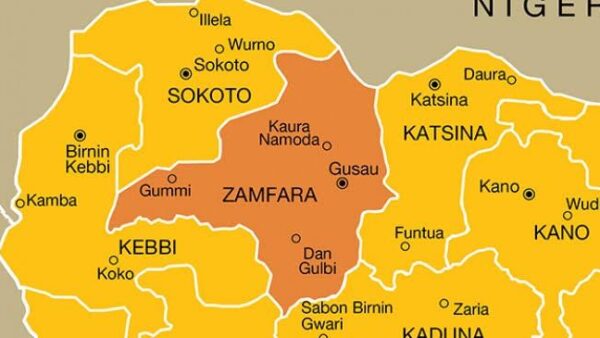
Over 80 per cent of mining in Nigeria's North-West, particularly in Zamfara, Katsina, and Kaduna States, happens illegally. More than 70 per cent of all mining activity nationally is artisanal and small-scale. Many of these miners and cooperatives operate without licenses, receipts, digital records, or any documentation that would allow authorities to trace what they extract or where it goes.
NEITI's brief zeroed in on beneficial ownership disclosure as the critical weak point. Mining licenses are frequently held through special purpose vehicles and shell companies that obscure the natural persons who ultimately own the assets. The Ministry of Solid Minerals Development, the Mining Cadastre Office, and the Corporate Affairs Commission do not verify beneficial ownership information effectively. Most verification relies on self-declaration. This opacity allows politically exposed persons, undisclosed foreign interests, and criminals to hide control over mining operations and facilitate corruption, money laundering, and trade misrepresentation.
Data governance is broken. Miners still rely on manual record-keeping and non-verifiable production reports. Export documentation is incomplete. Without enforcement of beneficial ownership transparency and reconciliation of data systems across agencies, NEITI warned, accountability in the sector will remain structurally compromised.
The government must urgently reform mining regulations, integrate data systems across all relevant agencies, and enforce beneficial ownership disclosure requirements. Without action, Nigeria will continue to lose resources that could fund development and job creation.