The Netherlands has become the first European country to permit Tesla owners to use their vehicles' self-driving capability, marking a significant regulatory shift for autonomous vehicle technology on the continent. The Dutch RDW agency for roadworthiness certifications announced the approval on Friday, allowing drivers to activate the Full Self-Driving (Supervised) function while remaining in control of their vehicles.
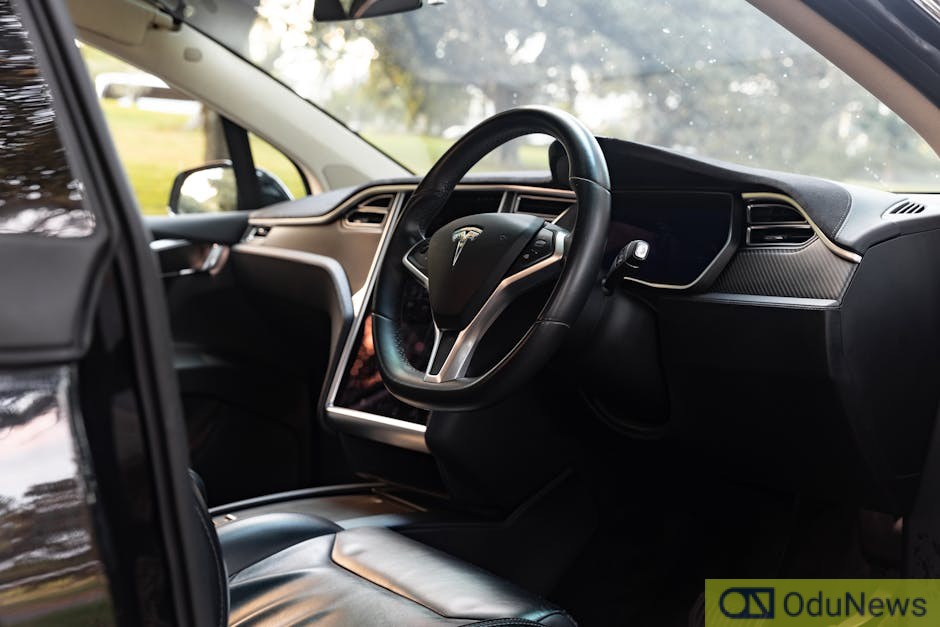
Tesla's Full Self-Driving (Supervised) system permits the electric vehicle's computer to handle steering, braking, route navigation and parking. The driver must stay alert and ready to take control at any moment. This mirrors regulations already in place in the United States, where Tesla owners have used the same technology for months.
The RDW agency stated in its announcement that the type approval would enable the driver assistance system to operate in the Netherlands with possibilities for expansion across European Union member states. The regulatory body emphasised a critical distinction between the supervised system and true autonomous driving.
"A vehicle with FSD Supervised is not self-driving. It is a driver assistance system, and the driver remains responsible and must always maintain control," the RDW said. This clarification addresses ongoing concerns about the terminology used to describe Tesla's technology and its actual capabilities.
Tesla's European operations, led by CEO Elon Musk, welcomed the decision. The company announced on X that the rollout would begin shortly in the Netherlands and expressed enthusiasm about expanding the service to more European countries. "No other vehicle can do this. We're excited to bring FSD Supervised to more European countries soon," Tesla Europe posted.
However, the Netherlands' approval must still receive authorisation from the European Commission before it carries weight across the EU. This additional regulatory step reflects the bloc's cautious approach to autonomous vehicle technologies and their standardisation across member states.
The approval comes as Tesla faces mounting challenges in the European market. Sales have declined in recent quarters across the continent, including in the Netherlands specifically. Industry analysts point to shifting consumer sentiment regarding Musk's public political activities supporting hard-right movements in the United States and Germany.
Competition from Chinese electric vehicle manufacturers has intensified pressure on Tesla's European market share. Companies like BYD have aggressively expanded their presence on the continent, offering competitive pricing and rapidly improving technology. The Netherlands' approval of Tesla's self-driving feature may help address some of these competitive pressures by offering European consumers capabilities unavailable on rival vehicles.
The rollout timeline remains unclear, though Tesla indicated the feature would arrive soon after the announcement. Owners in the Netherlands will need to meet Tesla's specific requirements to access the Full Self-Driving (Supervised) function. The company typically requires a clean driving record and engagement with its safety protocols before enabling the technology.