
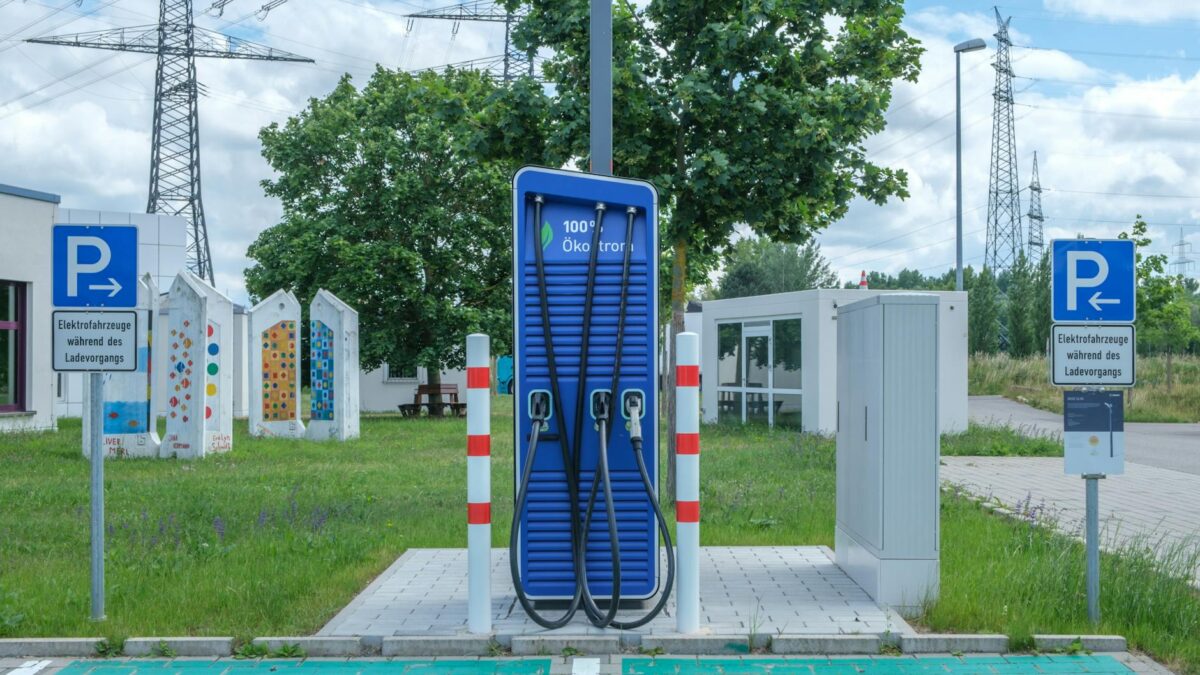
The Federal Government's decision to waive import duties on electric vehicles sounds progressive until you ask who will actually buy them. A Lagos banker earning 800,000 naira monthly cannot afford a Tesla, no matter the tariff reduction. The policy reads like economic theatre: announce green credentials, attract international applause, ignore the fact that 90 million Nigerians live on less than 2 dollars daily.
The waiver makes sense only if you believe Nigeria's transportation future belongs to the wealthy. The government should have paired duty elimination with a mandatory local assembly requirement, forcing manufacturers to build vehicles here and create jobs, or with a subsidy scheme for commercial operators who purchase in bulk for mass transit. Instead, we get a tariff cut that primarily benefits importers and affluent consumers in Ikoyi and Victoria Island. The middle class, which could have driven real EV adoption, remains priced out. We are subsidizing luxury preferences rather than solving mobility for the majority.
There is something darker at work. Nigeria's power sector cannot reliably supply electricity to 220 million people, yet we are promoting electric vehicles. Only Lagos, Abuja, and pockets of other major cities have semi-functional charging infrastructure. A person in Kaduna or Enugu buying an EV today faces a charging nightmare that no tariff waiver addresses. The policy assumes infrastructure that does not exist and ignores the chickens-and-eggs problem: manufacturers won't invest in assembly without clear local demand, and demand won't materialize without affordability and charging networks. We are putting the cart before the horse and calling it climate action.
Some argue that waiving duties jumpstarts a market that will eventually create economies of scale, bringing prices down over time. This reasoning assumes patience Nigeria does not have and ignores that the waiver benefits exist today while infrastructure improvements remain promises. Other countries like Kenya have paired EV incentives with aggressive charging network deployment. We have done neither. If the government truly wanted EV adoption, it would have simultaneously announced a five-year plan to install 5,000 charging stations across major cities and mandated that electricity distribution companies prioritize charging infrastructure investment. One policy without the other is merely symbolic.
The real question is whether Nigeria's climate ambitions are genuine or performative. The waiver suggests the latter. It costs the government nothing except foregone revenue, addresses a problem that affects only the privileged, and allows ministers to attend international climate conferences claiming action. Real climate policy would have tackled mass transit: subsidizing electric buses for state governments, offering long-term financing for commercial operators, and building the charging infrastructure that makes EVs practical. Instead, we have a tariff cut that makes headlines without touching the structural barriers that keep electric mobility out of reach for ordinary Nigerians.
Nigeria must stop confusing gestures with policy. EV duty waivers belong in countries where electricity is reliable, incomes support vehicle purchase, and charging networks already exist. Here, they are window dressing on a system that remains fundamentally broken. The government should reverse this waiver and redirect the revenue to mass transit electrification and rural charging infrastructure. That would be climate action worth defending.
OduViews represents the editorial opinion of OduNews.