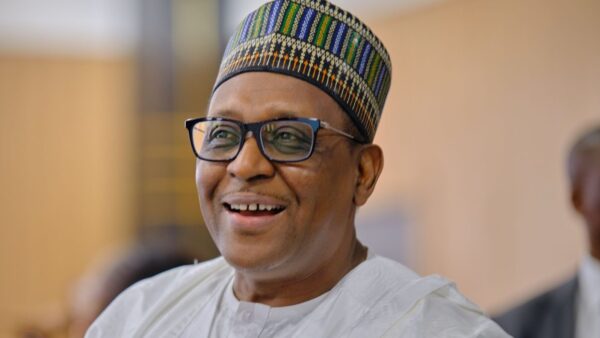

Nigeria's approach to tackling sickle cell disease focuses too heavily on genotype testing while ignoring the social and economic factors that drive the disease burden, a health expert has said.
Most public health messaging tells Nigerians to know their genotype, particularly whether they carry the AA, AS, or SS variants. But this narrow focus misses what actually shapes decisions about the disease, the expert explained. The messaging fails to address the complex realities of life that determine whether someone gets tested, whether they have children, and how they manage the condition if diagnosed.
These realities include poverty, lack of access to healthcare, limited counselling services, and the social stigma attached to sickle cell status. A person might know they carry the AS gene but still lack the money for proper medical care or the information to make informed choices about having children. In many Nigerian communities, cultural beliefs and family pressure override medical advice about genetic risks.
The expert's warning comes as Nigeria continues to grapple with one of the world's highest sickle cell disease burdens. Roughly one in four Nigerians carries the sickle cell trait, and thousands of children are born with the full disease every year. Yet the public health response has remained fragmented, relying heavily on awareness campaigns that reduce the problem to a simple matter of knowing one's genotype.
Effective action requires addressing why people make the choices they do. Healthcare workers need training to counsel couples about genetic risks in ways that acknowledge their circumstances, not just hand them test results. Communities need access to affordable screening and treatment. Support systems must exist for families managing the disease, which causes severe pain, organ damage, and early death in many cases.
The expert's comments reflect growing recognition among health professionals that Nigeria cannot reduce sickle cell burden through genotype awareness alone. The next phase of the national response must tackle the economic, social, and emotional barriers that keep people from acting on that knowledge.