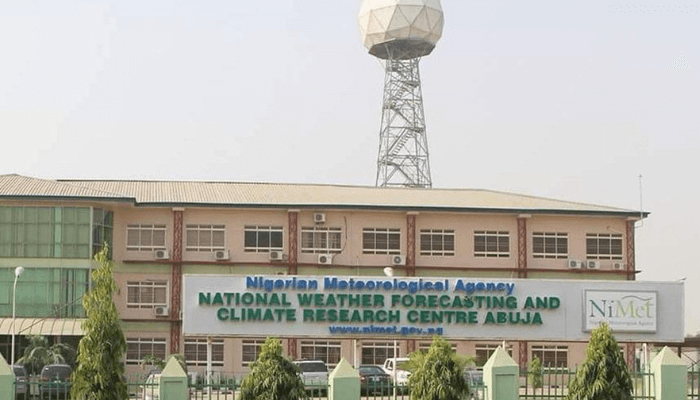
The Nigerian Meteorological Agency and the Central Bank of Nigeria have signed an agreement to share weather and climate information to improve the country's economic forecasting.
The two agencies inked a Memorandum of Understanding that formalises how NiMet will supply the CBN with meteorological data needed for better prediction of economic trends. Weather patterns shape everything from agricultural output to inflation, so having reliable climate forecasts helps central banks make smarter decisions about interest rates and monetary policy.
NiMet holds vast amounts of data on rainfall, temperature, and seasonal patterns across Nigeria. The CBN, which manages the country's money supply and financial system, needs this information to understand how weather might affect food prices, farming yields, and overall economic growth. When harvests fail because of drought, food prices spike. When floods destroy crops, inflation follows. By connecting these dots early, the CBN can adjust its policies before shocks hit the economy.
The agreement lets the two agencies work together on research and share technical expertise. NiMet's forecasters will collaborate with CBN economists to build models that show how climate changes might ripple through the financial system. This kind of partnership is rare in Nigeria but common in countries with advanced weather services, where central banks use climate data as a standard tool for economic planning.
Both agencies see this as a way to make Nigeria's economic management more scientific and less reactive. Instead of waiting for a weather crisis to create an economic crisis, policymakers can prepare ahead. The CBN can build buffer stocks, adjust credit policies, or warn the government about coming food price shocks before they happen.
The partnership also helps NiMet get better use from its data collection network across the country. Right now, much of what NiMet measures goes underused because few government agencies know how to plug weather forecasts into their planning. By working with the CBN, NiMet proves its value to other parts of government that might also benefit from climate information, from agriculture to transportation to public health.