
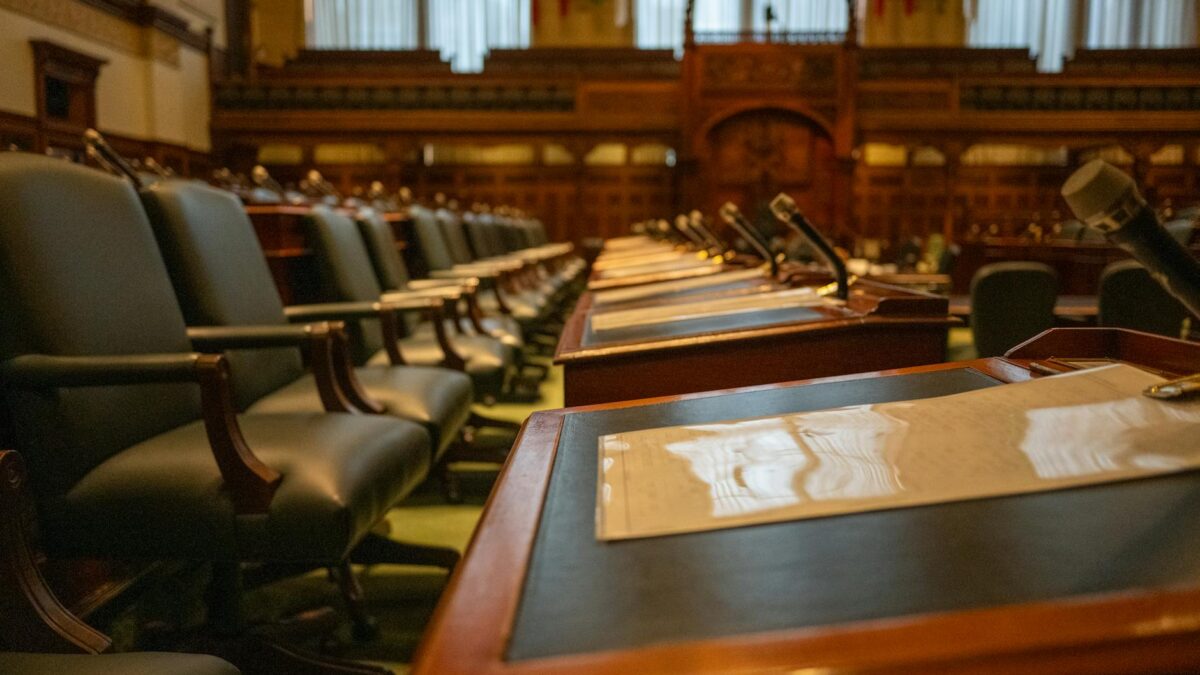
More than 15 senators will not return to the 11th National Assembly when the next legislature begins in 2027, after their political parties denied them fresh tickets or they lost primary contests ahead of the general election.
The departures mark a significant turnover in the upper chamber, with some of Nigeria's longest-serving lawmakers choosing to exit rather than contest as candidates from opposition parties or stepping down after failing internal party contests. The senators represent constituencies across the six geopolitical zones.
Among those leaving are senators who held committee leadership positions and served on critical national affairs portfolios. Some had represented their constituencies for two terms or more, building considerable seniority within the legislature. A handful attempted to switch parties in search of better chances but ultimately abandoned the race.
The reasons for their exits vary. Several senators faced stiff competition from rivals within their own parties, particularly from state governors, federal lawmakers, and wealthy businesspeople who entered the 2027 race with stronger party backing. In some cases, sitting governors used their influence to block certain senators from securing party nominations, viewing them as potential threats to state political control.
Others made the decision themselves, recognizing that their political strength had weakened or that they lacked sufficient financial resources to mount competitive campaigns in an expensive election cycle. A few senators faced legal troubles or corruption allegations that damaged their political standing, making comeback attempts unlikely.
The National Assembly leadership has not released an official list of departing senators, but investigations by journalists and political watchers across multiple states have identified those stepping aside. State-based political movements, social media announcements, and statements from the senators themselves have confirmed most exits.
Senators from the north have been particularly affected by the wave of departures. In the northwest zone, at least four sitting senators will not contest again. The southwest has seen three senators depart. The south-south zone lost two, while the south-east recorded three exits.
The turnover could reshape the balance of power in the Senate, where seniority traditionally determines committee assignments and legislative influence. Incoming senators will lack the experience and networks that long-serving members possessed, potentially weakening institutional memory on complex policy matters.
Election observers note that the 2027 cycle has proven unusually brutal for sitting legislators nationwide, with governors and other powerful figures intervening heavily in party primaries. The Senate departures reflect a broader pattern affecting the House of Representatives and state assemblies, where hundreds of incumbents have already lost tickets or chosen not to run.
Party leadership in the All Progressives Congress, the Peoples Democratic Party, and smaller parties have all enforced ticket distributions favoring preferred candidates, often overriding internal democratic processes. The 2027 election will therefore feature a significantly younger and less experienced Senate compared to the current chamber.