More than 8,500 Nigerians have crossed into neighbouring countries seeking safety from insurgency and armed violence since December last year. The refugees scattered across Niger, Cameroon, and Chad between December 2025 and May 2026, fleeing deteriorating security conditions at home.
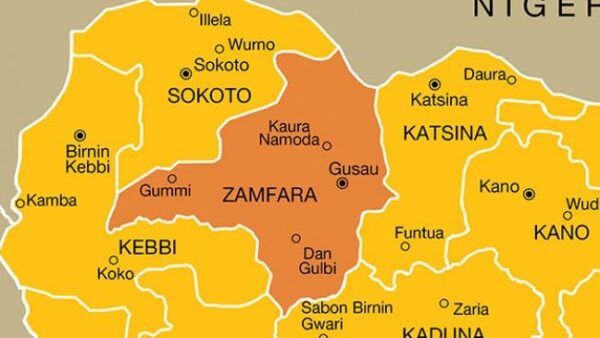
The exodus reflects the relentless pressure of militant groups operating across Nigeria's northern and northeastern regions. Communities in Borno, Yobe, Adamawa, Zamfara, Kaduna and other states have endured years of kidnappings, raids, and killings that have forced families to abandon their homes.
Those who fled say they had no choice. Some left with nothing but the clothes on their backs. Others sold what little they had to pay smugglers for dangerous journeys across porous borders into countries barely better off than Nigeria in terms of resources and infrastructure.
The countries receiving them face their own challenges. Niger, Cameroon, and Chad host hundreds of thousands of refugees from various conflicts across the Sahel region. They struggle to provide adequate food, shelter, healthcare, and education to newcomers with no money and no prospects.
International aid organisations have documented the movement of Nigerians fleeing violence, though exact figures remain difficult to verify given the informal nature of cross-border migration. Some Nigerians slip into neighbouring countries undetected. Others register with UNHCR or local authorities, creating a paper trail.
The scale of displacement underscores how insurgency continues to shred the fabric of life in parts of Nigeria. While government forces have claimed successes against militant groups, communities still report attacks. Civilians remain trapped between soldiers and insurgents, unable to farm, trade, or move freely.
Those stranded in refugee camps across the border face an uncertain future. Many hope to return home once security improves. Others have given up that dream and seek resettlement to third countries, though such opportunities remain scarce and competitive.
Humanitarian agencies warn that without sustained investment in security and reconstruction in Nigeria's conflict zones, displacement will continue. As more Nigerians flee, the burden on neighbouring countries grows heavier, straining already fragile resources and raising tensions over integration and resource sharing.