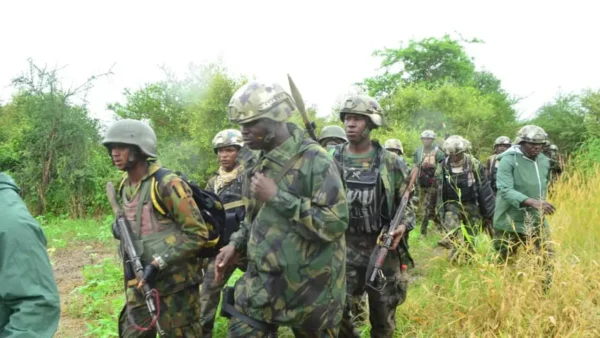

Amnesty International Nigeria released a damning report on Saturday revealing that armed groups abducted at least 1,100 people across northern Nigeria between January and April 2026. The organisation called on President Bola Tinubu to take urgent action to stop what it described as a horrifying wave of kidnappings that shows no signs of slowing.
Rural communities and internally displaced persons remain the most vulnerable targets, according to the human rights group. Victims face severe abuses including torture, starvation, rape, and forced participation in atrocities while held captive for months under terrible conditions.
Isa Sanusi, Country Director of Amnesty International, said gunmen have shifted tactics dramatically. "Apart from killing people, gunmen are now on a rampage of abductions largely for lucrative ransom," Sanusi stated, adding that publicly reported figures likely underestimate the true scale of the crisis.
The abductions have spread across multiple states with alarming frequency. On February 3, armed attackers killed about 200 people and abducted 176 others in Woro village, Kaiama Local Government Area of Kwara State. In Zamfara State, at least 150 people, mostly women and children, were abducted in early April during attacks on communities in Bukkuyum LGA.
Borno State experienced particularly large-scale abductions. Fighters from Boko Haram abducted over 100 displaced persons in Kumbul forest on March 19, while more than 400 people were kidnapped during an attack on Ngoshe town in Gwoza LGA earlier that month.
Other incidents dotted the timeline throughout the first four months of the year. Niger State saw 57 people abducted in January. Zamfara State recorded two separate incidents in February resulting in 92 people taken. Kaduna State reported 30 worshippers seized during attacks on churches in March. On March 30, 18 passengers traveling from Abuja to Sokoto were abducted along a route in Zamfara State.
The human cost extends far beyond the abduction figures themselves. Amnesty International quoted a Woro community resident whose wife and three daughters, including a two-year-old child, were among those taken nearly two months before the report's release. "They didn't just kill, they stole our life away," the resident said. Families frequently sell all their possessions or rely on community fundraising to pay ransom for loved ones.
The crisis is disrupting education across the region at an alarming rate. Thousands of children have dropped out of school due to persistent kidnapping threats. In some cases, families are forcing underage girls into early marriage to reduce the risk of abduction.
Amnesty International accused Nigerian authorities of failing to meet their constitutional and international human rights obligations to protect citizens. Sanusi stated bluntly that the government's failure to ensure population safety constitutes a serious breach of human rights obligations.
The organisation called on the federal government to take immediate and decisive action to secure the release of all abducted persons and to strengthen measures protecting vulnerable communities from further attacks. Security chiefs will need to present new strategies to the presidency within the coming weeks to address the crisis.