Adamawa State stands at a crossroads where political choices made now will determine whether the state breaks free from cycles of unfulfilled promises or sinks deeper into missed opportunities. The emergence of a new leadership possibility has sparked fresh debate about what kind of future the state should pursue and who is best positioned to deliver it. This moment demands careful thinking that avoids both the trap of expecting nothing and the pitfall of expecting everything without reason.
The state's political history tells a story of recurring patterns. Adamawa has witnessed multiple election cycles where candidates promised transformation and progress, only for implementation to fall short of campaign rhetoric. Communities invested hope in different administrations, only to see those hopes fade when reality collided with governance challenges. Yet dismissing the state's potential entirely would be equally misguided. Adamawa retains genuine assets, human capital, and opportunities that could form the foundation for real development if properly harnessed.
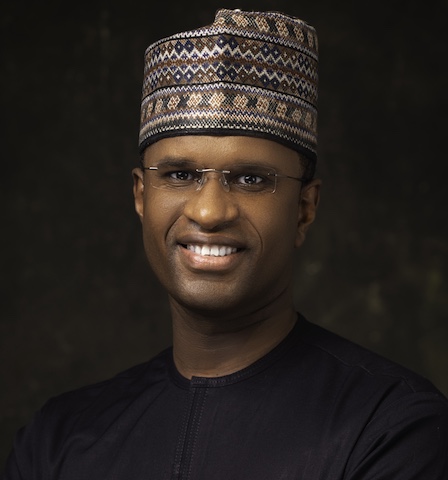
Galadima's emergence as a political option represents something different within this context. The consideration of this figure as a potential leader reflects a desire within sections of Adamawa's population to explore alternatives to conventional political paths. Whether this represents genuine reform or simply another cycle of hope and disappointment remains a question that voters and political observers must grapple with honestly.
The challenge facing Adamawa is fundamentally about leadership quality and accountability. The state needs leaders who understand its specific problems, have realistic plans to address them, and possess the will to follow through when governance becomes difficult. Empty promises and vague rhetoric have already consumed enough of the state's time and resources. What Adamawa requires now is clarity about what each option offers and honest assessment of track records, capacity, and commitment to service.
The political decision ahead will test whether Adamawa's electorate can move beyond tribal and factional calculations to evaluate candidates based on what they can actually deliver. This shift in thinking would itself represent progress. The state's development depends less on finding a perfect leader and more on voters making informed choices and then holding whoever they elect strictly accountable for results. Without that accountability component, even the most well-intentioned leader will struggle to break the patterns of the past.
As Adamawa prepares for whatever political contests lie ahead, political actors must engage seriously with the state's real needs. These include improving education outcomes, addressing security challenges, creating jobs, and delivering basic services. The candidate who can articulate specific, costed solutions to these problems and demonstrate the capacity to implement them will be the one worthy of the state's vote.