Eleven top Nigerian companies have disconnected from the national grid and begun generating their own electricity, according to fresh regulatory data released by the Nigerian Electricity Regulatory Commission. The exodus reflects the mounting pressure that erratic power supply and soaring energy costs place on industrial operations across the country. Companies making this shift include NRS and ten others whose names feature in NERC's latest compliance records.
The decision by these firms to abandon the national grid signals deepening frustration with power distribution in Africa's largest economy. Businesses across manufacturing, telecommunications, and other sectors have grown weary of power cuts that disrupt production schedules and force them to bear unexpected costs. When the national grid fails, companies either lose output or resort to expensive diesel generators that drain their budgets.
NERC data obtained by this publication shows that the departures represent a troubling pattern. Over the past two years, the regulator has documented an increasing number of corporate clients requesting disconnection from the grid to pursue captive power solutions. This trend accelerates as businesses conclude that on-site generation, despite its high initial capital outlay, costs less over time than relying on unreliable grid supply.
Industry analysts say the corporate exodus poses a threat to the financial viability of electricity distribution companies. When large consumers generate their own power, they stop paying grid tariffs. This shrinks the revenue base that distributors depend on to maintain infrastructure and service their obligations to NERC and the transmission operator. The loss of industrial customers forces remaining users to absorb higher costs.
The eleven companies joining the exodus follow dozens of others who have already installed captive generation facilities in recent years. Some opted for solar installations combined with battery storage, while others invested in gas generators or hybrid systems. Manufacturing plants in industrial zones around Lagos, Ogun, and Abia states have led this transition.
NERC declined to name all eleven companies publicly but confirmed the disconnections in its latest quarterly report to the electricity sector. The regulator noted that while companies have the right to generate their own power, the trend reflects systemic failures in grid management and distribution efficiency. The commission said it continues working with the transmission company and distribution operators to improve service delivery.
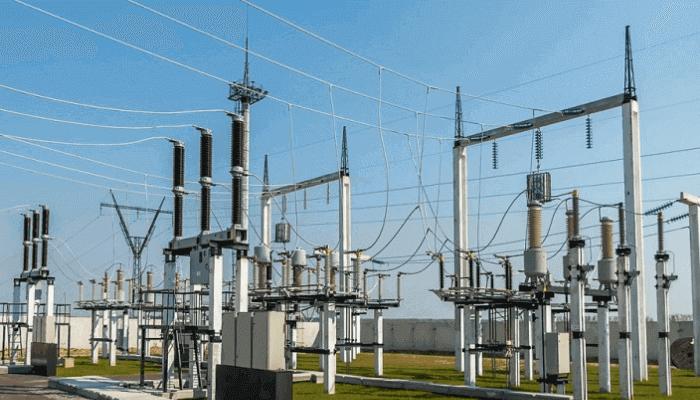
Power generation in Nigeria remains constrained by gas supply problems, aging infrastructure, and limited transmission capacity. The national grid can produce roughly 13,000 megawatts but consistently falls short of demand, leaving many communities with only a few hours of electricity daily. Manufacturing facilities that require round-the-clock power have become prime candidates for captive generation.
Companies investing in their own power generation typically spend between 50 million and 500 million naira depending on their energy needs and the technology chosen. While this represents a substantial upfront investment, operators calculate that they recoup the cost within five to seven years through savings on grid tariffs and reduced reliance on expensive backup diesel. Some firms also generate surplus power and sell it back to neighbouring businesses or the grid through NERC's approved mechanisms.
The departure of these eleven companies comes as electricity tariffs continue climbing. In July 2023, the federal government approved a significant increase in residential and commercial tariffs following cost-of-living adjustments. This pushed many businesses to accelerate their captive generation plans. By moving off the grid, companies avoid the burden of tariff hikes that typically outpace inflation rates.
Senior officials at the federal government have promised reforms to the electricity sector but acknowledge that meaningful change requires years to implement. The minister responsible for power has stated publicly that the government recognises captive generation as a rational business response to grid failures. However, officials worry that the trend will eventually destabilise the entire power system.
Distribution companies currently serving Lagos, Ibadan, Enugu, Port Harcourt, and other major cities report rising customer churn. Some distributors have begun offering incentives to retain industrial clients, including discounted rates for guaranteed minimum monthly consumption. These measures have stemmed the exodus in some cases but failed to reverse the overall trend.
The regulatory framework allowing companies to disconnect and generate their own power remains unchanged. NERC requires that any facility generating above 1,000 kilowatts must register as a power producer and comply with grid connection standards if they wish to export surplus electricity. The commission has streamlined approval processes to accommodate this growing segment.
Experts predict that Nigeria's industrial competitiveness will hinge increasingly on access to reliable electricity. Companies operating in Lagos, which houses the country's largest concentration of manufacturers, pay among the highest energy costs globally when grid failures force them to deploy backup generation. The captive power movement reflects a rational calculation by business leaders that self-sufficiency trumps waiting for grid reforms.
NERC will publish detailed analysis of the eleven disconnections in its next quarterly report to the electricity sector, scheduled for release in the coming month. The regulator plans to examine the sectoral breakdown of departing companies and their projected impact on grid revenues. This data will inform policy recommendations that the commission will present to the federal government regarding how to stabilise the power system.