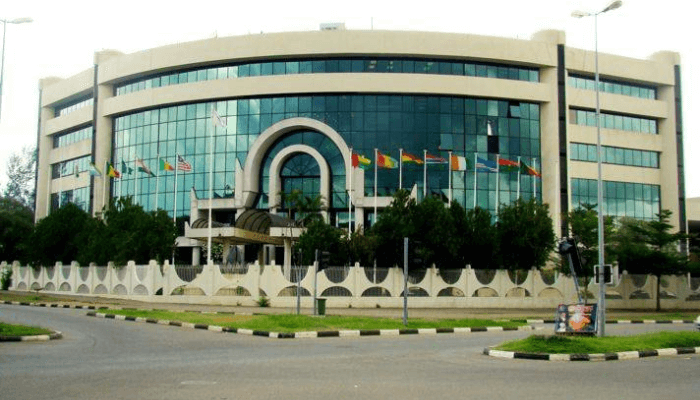
China handed over a new $56.5 million headquarters building for ECOWAS in Abuja this week, but Nigeria's top foreign policy think tank says Beijing's generosity masks something else entirely: a calculated push for influence across West Africa.
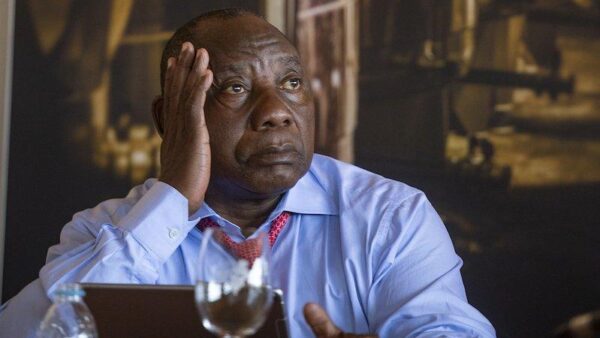
The Nigerian Institute of International Affairs, through its Director-General Olayiwola Abegunrin, cut through the ceremonial language surrounding the building's handover. He said China's investment is strategic diplomacy, a long game to deepen Beijing's grip on the 15-nation Economic Community of West African States and the continent beyond.
"What China is doing is not charity," Abegunrin said. "It is a calculated move to strengthen its position in the region and ensure it has a voice in ECOWAS affairs." The scholar's warning reflects a growing unease among African analysts about China's infrastructure spending across the continent, which has sometimes saddled countries with unsustainable debt.
The building itself is impressive. Located in Abuja's diplomatic district, it consolidates ECOWAS operations that were previously scattered across multiple rented spaces, costing the bloc roughly $2 million annually in rent. The new structure means ECOWAS can redirect those funds to its core work: trade facilitation, conflict resolution, and regional integration.
But the real story, Abegunrin argues, lies beneath the ribbon-cutting ceremony. China has spent decades building economic relationships across Africa by financing infrastructure—roads, ports, bridges, stadiums. The strategy works. Once a nation becomes reliant on Chinese loans or Chinese companies, Beijing gains leverage in regional politics and international forums. The ECOWAS headquarters is the same playbook applied to a regional institution.
China's ambassador to Nigeria, Cui Jianchun, attended the handover ceremony. He spoke about deepening partnership and mutual respect. He made no mention of the implicit quid pro quo that Abegunrin and others see embedded in such gestures.
ABEGUNRIN is not alone in raising these concerns. Pan-African observers have watched China's infrastructure diplomacy with mixed feelings. Some praise the investment filling gaps that Western institutions ignored. Others worry that Africa is trading one form of dependence for another, swapping colonial structures for debt traps with Chinese characteristics.
For ECOWAS itself, the building is a practical win. The organisation chairs summits on everything from regional security to the free movement of goods and people. Having a permanent, owned headquarters strengthens its institutional capacity and sends a signal that it is taking its mandate seriously.
What happens next will depend on how ECOWAS manages its relationship with Beijing. The bloc can accept China's investment while maintaining its independence on policy matters, or it can find itself subtly pressured to align with Chinese interests on votes at the African Union, the United Nations, or other multilateral bodies. Abegunrin's warning suggests the latter risk is real enough to watch.