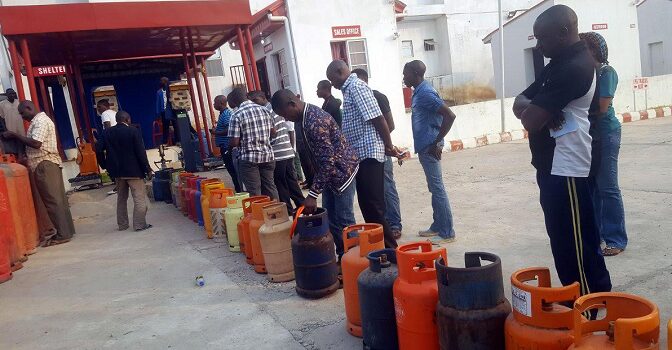
The price of cooking gas is creeping towards N2,000 per kilogramme across Nigeria, squeezing household budgets and forcing restaurants and food vendors to hike their own prices ahead of the Sallah festivities.
Retailers in major cities reported that a 12.5kg cylinder now costs between N18,500 and N20,000, compared to around N15,000 a month ago. The jump has caught many families off guard, particularly those planning to cook during the holiday period when demand for gas typically spikes.
Most households depend on cooking gas for meal preparation, but the steep rise means many are rationing usage or reverting to cheaper alternatives like firewood and charcoal. Small-scale food businesses have been hit harder. A pepper soup seller in Lagos said she now spends nearly double what she used to on gas, eating into her already thin margins.
The timing could not be worse. Sallah is a period when families gather to eat, cook together, and celebrate. The holiday falls in mid-June this year, and traders expect high demand for cooked food and catering services. Higher gas costs mean higher food prices, which will ripple through the entire market.
Several factors are driving the increase. Global crude oil prices remain elevated, and Nigeria's local supply of Liquefied Petroleum Gas has not kept pace with demand. The Dangote Refinery, which was expected to boost domestic LPG production, is still ramping up operations. Import dependency remains high, and the gap between the naira and the dollar makes foreign purchases expensive.
Energy analysts say the situation is unsustainable without intervention. Subsidies or price controls are off the table given the government's commitment to market liberalisation, but some have called for faster development of domestic gas projects to reduce import reliance.
Consumers have little choice but to adjust. Some are buying smaller quantities more frequently, while others are switching to alternative cooking methods. The Nigerian National Petroleum Company Limited has not announced any emergency measures to stabilise supply or prices before the holiday.
The Sallah period, which attracts increased domestic activity and celebration, will test whether retailers and households can sustain these prices without further economic strain.