Nigeria's Chief of Army Staff has called on banks to take decisive action against terrorism financing and illicit money flows that fuel insurgency across the country.
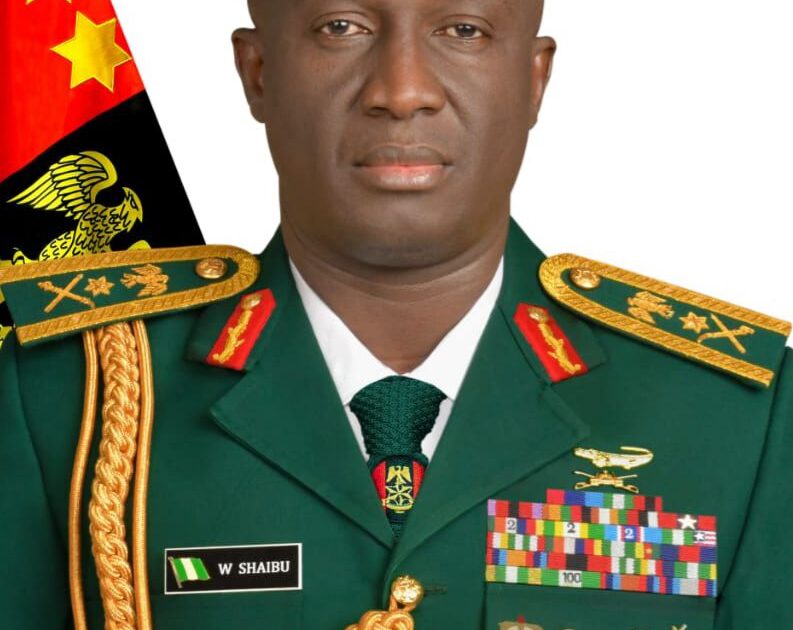
Lieutenant General Taoreed Lagbaja made the call while addressing banking sector leaders, emphasising that financial institutions have a critical role to play in starving armed groups of the resources they need to operate. He argued that banks cannot stand on the sidelines while criminals and terrorists exploit the financial system to move money.
The military leadership has long pointed to funding as a lifeline for terror groups operating in the northeast and northwest. Boko Haram, ISWAP, and bandit networks depend on cash flows to buy weapons, recruit fighters, and sustain operations. If banks tighten controls and monitor suspicious transactions more aggressively, Lagbaja suggested, these groups would struggle to function.
He specifically urged banks to strengthen their compliance frameworks and report suspicious activity patterns to relevant authorities without delay. The COAS highlighted that many transactions that fund terrorism are deliberately structured to avoid detection, using shell companies, trade-based money laundering, and informal channels. Banks need better training for staff who handle customer accounts and enhanced technology to flag risky transactions in real time.
Lagbaja also stressed that the financial sector's cooperation is not optional for national security. The military cannot defeat terrorism through combat alone when money continues to flow freely to the enemy. He called this a shared responsibility between the armed forces, the Central Bank of Nigeria, the Economic and Financial Crimes Commission, and every commercial bank operating in the country.
The security situation in Nigeria remains dire. Thousands have died in the northeast insurgency, while bandit attacks in the northwest have displaced entire communities and disrupted farming. The cost of counter-insurgency operations strains the national budget each year. Yet the root problem persists: money keeps reaching the groups driving the violence.
Banks have implemented some measures, including Know Your Customer checks and transaction monitoring systems. However, enforcement remains inconsistent, and many institutions struggle with capacity and resources. The COAS's public call suggests growing frustration within military leadership that the financial sector is not moving fast enough.
The Central Bank of Nigeria has issued directives to banks on terrorism financing risks and suspicious activity reporting. The EFCC has prosecuted cases involving terror fund transfers. But Lagbaja's remarks indicate the army believes more pressure is needed to make banks treat this issue with the urgency it demands.
The COAS is expected to hold follow-up meetings with individual banks and the Central Bank of Nigeria to establish concrete benchmarks for disrupting terror financing networks over the next six months.