
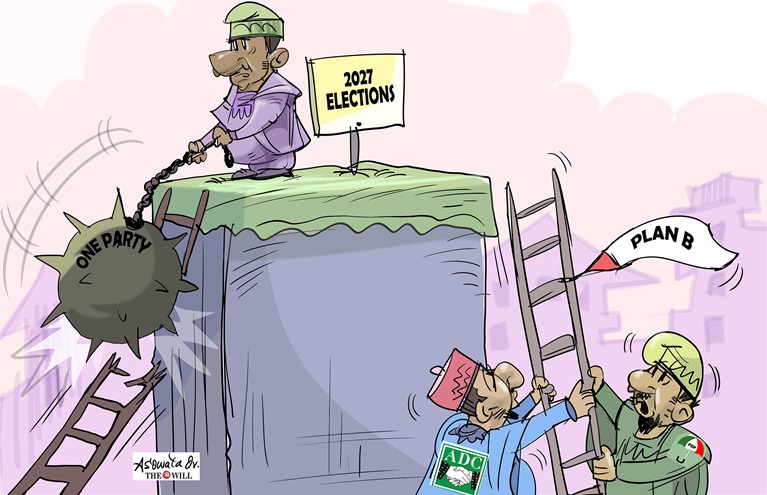
The African Democratic Congress will hold a nationwide inauguration of its newly elected executives and state chairmen on May 12, 2026, the party announced on April 19. This timing comes just three weeks after the Supreme Court is scheduled to deliver its judgment on the ADC's appeal on April 22. The party's decision to proceed with the inauguration ceremony suggests confidence in a favorable court outcome, though officials have not explicitly stated this connection.
The ADC plans to conduct simultaneous inaugurations across all states, bringing together party officials who were recently elected to leadership positions at both national and state levels. The party has been preparing for this event for several weeks, with party officials working to ensure smooth logistics across the country. The May 12 date marks a critical moment for the party as it seeks to solidify its organizational structure ahead of future electoral activities.
The Supreme Court case before the apex court involves the ADC's appeal regarding electoral matters. The April 22 ruling date will precede the party's inauguration plans by exactly three weeks, giving the party time to implement any changes required by the court's decision. Party officials have indicated that the May inauguration will proceed as scheduled regardless of the court's ruling, though the judgment could affect the composition of some positions.
Within the Peoples Democratic Party, former national chairman Iyorchia Ayu, known as Turaki, has been leading a faction that has developed separate plans for the party's governance structure. This group, often referred to as the Turaki-led faction, has been working on alternative organizational arrangements that differ from the mainstream party leadership. The Turaki faction's activities have created internal tensions within the PDP, with different groups pushing competing visions for the party's direction.
Both the ADC and the Turaki-led PDP faction have indicated they are preparing contingency plans in case their preferred court outcomes do not materialize. Party insiders say these backup arrangements include alternative governance structures and leadership configurations. The two groups have maintained separate organizational channels and communication systems to ensure they can implement their plans quickly once court judgments are delivered.
Party officials from both organizations declined to provide detailed specifics about their backup plans during private meetings held last week. Sources within both camps suggested that revealing full details could compromise their legal positions before the Supreme Court delivers its ruling. However, party members indicated that comprehensive organizational frameworks are already in place and ready for immediate deployment.
The ADC's May 12 inauguration date falls during the final weeks of the second quarter of 2026. Party officials expect high attendance from elected executives and state chairmen, with invitations being sent to party members across the country. Venues for the state-level inaugurations have been identified, and logistics teams have begun coordinating arrangements with state party offices.
The Supreme Court's April 22 ruling will determine several outstanding issues that have affected both parties' organizational operations. Legal analysts have suggested that the court's decision could reshape how the parties conduct their internal affairs and structure their leadership hierarchies. Both the ADC and Turaki faction have submitted comprehensive briefs to the court outlining their positions on these matters.
Party sources from the ADC confirmed that the May inauguration will include formal swearing-in ceremonies for all newly elected officials. The event will be broadcast live through party channels to reach members who cannot attend in person. Senior party members will deliver speeches outlining the party's objectives for the coming year and the roles expected from newly inaugurated officials.
The Turaki faction within the PDP has also scheduled organizational meetings for late May, though they have not yet announced specific dates publicly. Sources within this group indicated that they are waiting for the Supreme Court ruling before finalizing their event calendar. The timing suggests that both groups are coordinating their moves to maximize impact following the court judgment.
Party insiders have noted that the ADC's confidence in scheduling the May inauguration reflects internal polling and legal assessments about the likely Supreme Court outcome. The party leadership has reportedly received legal advice suggesting a favorable ruling is probable. However, party officials have maintained public neutrality about the expected verdict, stating only that they are prepared to implement whatever the court decides.
On May 11, the day before the ADC inauguration, the party will hold preparatory meetings with all elected executives to review protocols and procedures. Training sessions will be conducted for newly elected officials who have not previously held party positions. These sessions will cover the responsibilities of their offices and expected conduct standards for party officials.
The ADC will release a full schedule of state-by-state inauguration ceremonies by April 28, giving officials at least two weeks to make travel arrangements. The party has allocated funding for coordination teams in each state to oversee local inauguration events. State chairmen have been asked to submit final attendance estimates by April 25.
Meanwhile, the Turaki faction continues to consolidate support within the PDP, with reports indicating that several state party officials have pledged loyalty to this group. The faction has held multiple closed-door meetings with influential party members to discuss governance reform proposals. These meetings have taken place in Abuja, Lagos, and Port Harcourt, with attendees sworn to secrecy about discussions.
The Supreme Court will hear final arguments in the ADC case on April 21, one day before delivering its ruling. The court has indicated that the judgment will address specific organizational and electoral matters that have been contested. Legal observers expect the ruling to have implications for how Nigerian political parties structure their internal democratic processes going forward.