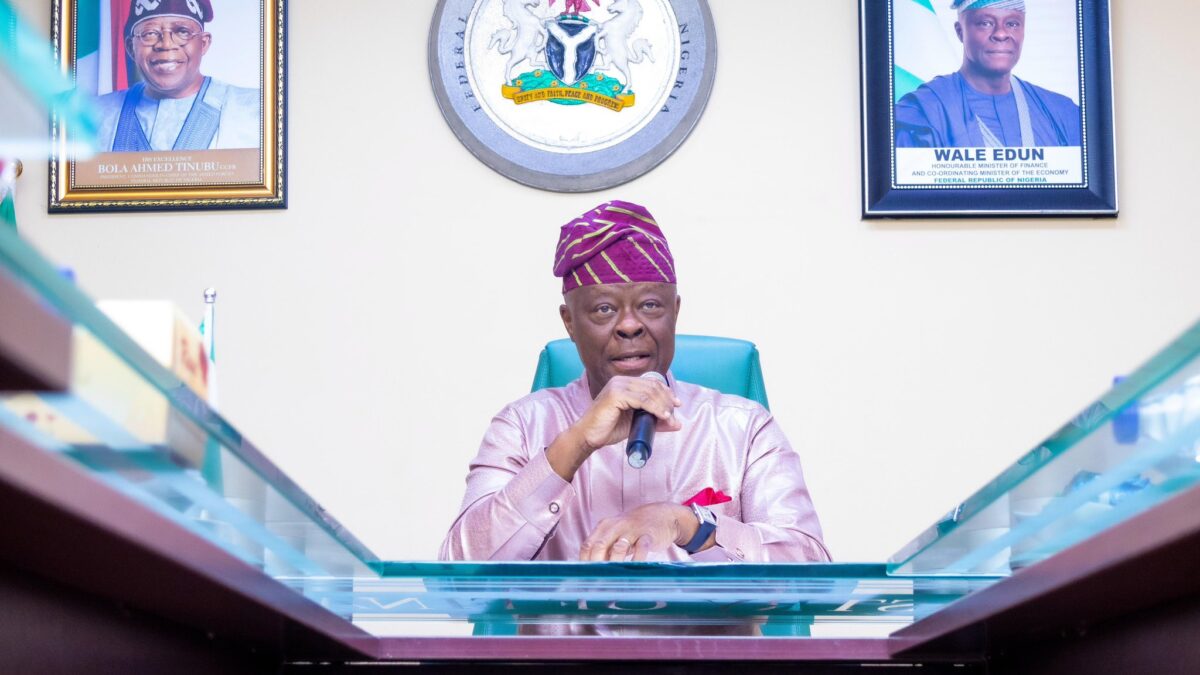
Nigeria's Minister of Finance and Coordinating Minister of the Economy, Wale Edun, has firmly rejected any possibility of bringing back fuel subsidies to ease the burden of rising petrol costs on Nigerians. The minister made this position clear as global petroleum prices continue climbing due to escalating tensions in the Middle East, which have rattled international energy markets and pushed fuel costs higher across the continent.
Edun's statement comes at a time when ordinary Nigerians are struggling with the financial impact of sustained high petrol prices at the pump. The conflict in the Middle East has created uncertainty in global oil supply chains, pushing crude prices upward and translating directly into increased pump prices that affect transport costs, food prices, and general cost of living for citizens.
The minister's refusal to consider subsidy reintroduction signals the federal government's commitment to maintaining the fuel subsidy removal policy that was implemented in May 2023. That controversial decision immediately raised petrol prices from around N165 per litre to over N400 per litre, causing widespread hardship that continues to reverberate through the Nigerian economy.
Edun has consistently argued that fuel subsidies drain national resources and create an unsustainable burden on the federal budget. The removal of subsidies was intended to free up funds that could be redirected toward infrastructure development, healthcare, and education. However, the policy has faced intense criticism from labour unions, civil society organisations, and ordinary Nigerians who have borne the brunt of higher transportation and living costs.
The minister's stance reflects the Tinubu administration's broader economic reform agenda, which includes prioritising debt reduction and fiscal discipline. With petrol prices now regularly exceeding N600 per litre in many parts of the country, Nigerians are paying some of the highest fuel prices on the continent, yet the federal government shows no indication of reversing course.
Industry analysts have warned that further escalation in Middle Eastern tensions could push crude prices even higher on the international market, putting additional pressure on Nigeria's fuel costs. The Organisation of Petroleum Exporting Countries, of which Nigeria is a member, has maintained relatively stable production levels, but geopolitical factors remain the primary driver of price volatility.
Edun is expected to present the 2025 budget proposals to the National Assembly in the coming weeks, where questions about fuel price stabilisation measures and cost of living relief will likely dominate discussions with lawmakers.