
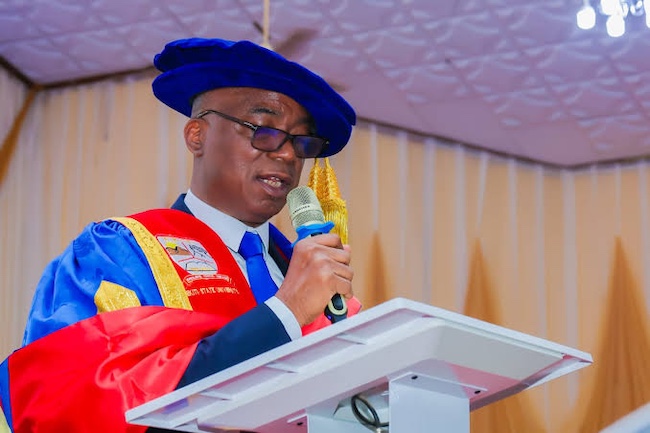
The Chancellor of Ekiti State University, Dr. Tunji Olowolafe, has called for sweeping education reforms that place lecturer welfare and professional development at the centre of Nigeria's higher education agenda. Speaking on the need to strengthen the nation's university system, Olowolafe argued that improving conditions for academics must accompany efforts to produce graduates equipped for modern labour markets.
Olowolafe stressed that lecturers form the backbone of any functional university system and cannot be sidelined in policy discussions about education quality. He noted that when academics lack proper support, motivation drops, institutional standards suffer, and the entire chain of learning gets disrupted. The EKSU Chancellor made the case during recent engagements with education stakeholders on the future direction of Nigerian universities.
Central to his proposal is the idea that universities must invest in building the capacity of their teaching staff. Olowolafe called for structured programmes that allow lecturers to upgrade their skills, pursue advanced qualifications, and stay current with global academic trends. He believes that academics who are constantly learning and developing become better educators and researchers, ultimately benefiting their students.
The Chancellor also emphasised the urgent need for lecturers to develop digital proficiency as a basic requirement in contemporary education. With teaching increasingly moving online and blended learning becoming the norm, academics must master educational technology platforms and digital tools. Olowolafe pointed out that many universities have invested in learning management systems and virtual classrooms, but lecturers often lack the training to use these systems effectively.
Beyond individual lecturer development, Olowolafe advocated for policies that improve working conditions and remuneration for academics. He argued that competitive salaries and better welfare packages would attract and retain talented individuals in the profession. Brain drain remains a serious challenge as Nigerian academics migrate to universities abroad where conditions are superior.
The EKSU Chancellor's position reflects broader concerns within Nigeria's education sector about the state of higher learning institutions. Universities across the country have struggled with funding shortfalls, aging infrastructure, and staff morale issues that threaten their ability to produce quality graduates. Olowolafe's call for comprehensive reform suggests that addressing these problems requires a multi-pronged approach rather than isolated interventions.
He also connected lecturer welfare to graduate outcomes, arguing that well-supported academics produce better-prepared students. When lecturers have access to research funds, modern teaching materials, and professional development opportunities, they can deliver education that meets international standards. This directly affects how Nigerian graduates perform in global job markets and whether they can contribute meaningfully to national development.
Olowolafe's intervention comes at a time when the federal government has been engaged in discussions with university unions about funding, salaries, and working conditions. Previous strike actions by academic staff unions have disrupted academic calendars and forced universities to shut down for extended periods. The Chancellor's remarks suggest that policymakers must take these demands seriously and incorporate them into broader education reform agendas.
The need for digital proficiency training appears particularly urgent given the lessons learned during the COVID-19 pandemic when universities worldwide were forced to shift to remote teaching. Many Nigerian institutions struggled with this transition because lecturers lacked training in online teaching methodologies. Olowolafe's emphasis on this area indicates that universities must prepare for future disruptions and ensure their teaching staff can adapt quickly.
Education reform in Nigeria has long been discussed in policy circles, but implementation remains weak. Olowolafe's latest statement adds his voice to calls from other education leaders who believe that sustainable improvement requires genuine commitment to the welfare and development of academic staff. The EKSU Chancellor will continue engaging with government officials and other university leaders on how these reforms can be structured and funded.