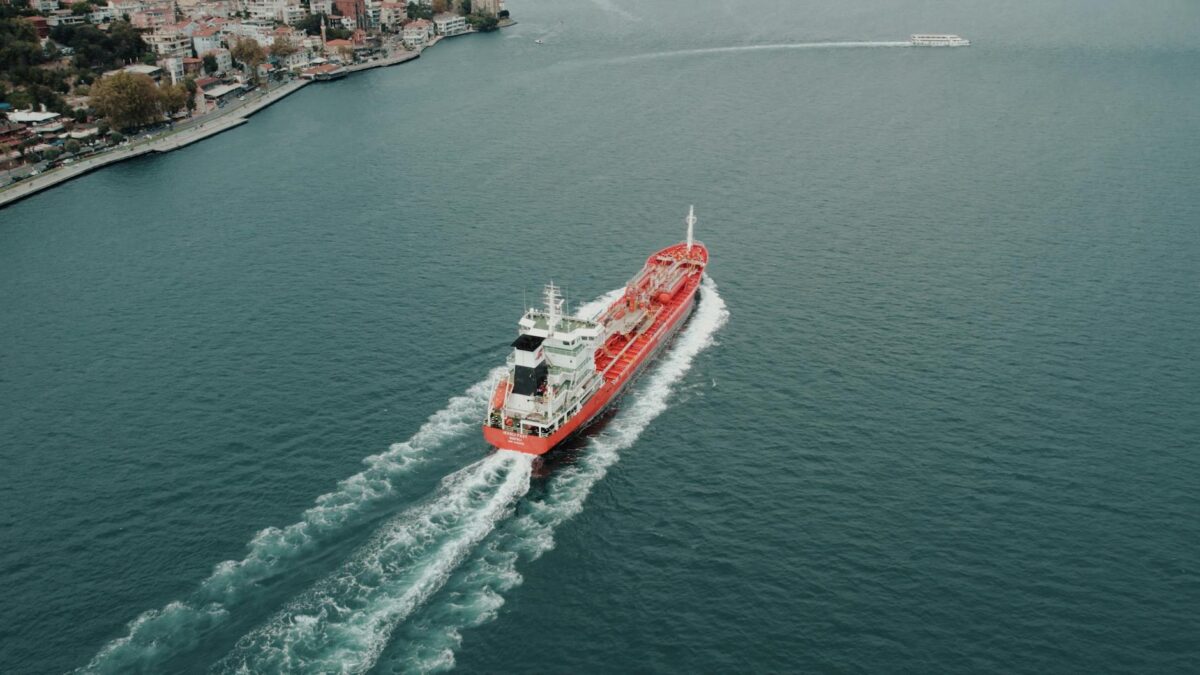
Iran on Saturday warned it would shut the Strait of Hormuz for a second time if the United States continues blocking Iranian ports, escalating tensions just hours after Tehran announced the reopening of the critical shipping channel following a ceasefire in Lebanon.
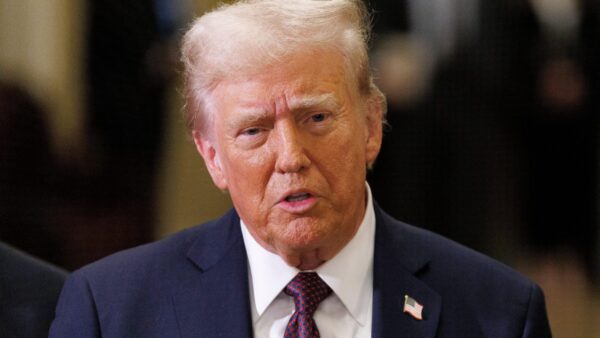
The threat came as President Donald Trump declared himself close to a broader peace deal with Iran, claiming Tehran had agreed to hand over enriched uranium. At an event in Arizona, Trump said, "We're going to get it by going in with Iran, with lots of excavators." However, Iran flatly rejected this assertion, insisting its uranium stockpile would remain untouched.
The Strait of Hormuz serves as a vital global trade route, with roughly one-fifth of the world's crude oil and liquefied natural gas passing through its waters annually. Iran's threat to close it again carries serious implications for global energy markets and international commerce. Mohammad Bagher Ghalibaf, Iran's parliamentary speaker, wrote on X that continuation of the blockade would result in closure of the strait, adding that any passage through the waterway would require Iranian authorization.
Esmaeil Baqaei, Iran's foreign ministry spokesman, called the naval blockade a violation of the ceasefire agreement struck between Washington and Tehran for a two-week period to enable negotiations. He stated, "What they call a naval blockade will definitely be met with an appropriate response from Iran." The US Central Command reported that American forces had directed 21 ships to turn around since the blockade began earlier this week, with images showing a guided-missile destroyer patrolling the Arabian Sea.
Despite the escalating rhetoric, Trump expressed optimism about reaching an agreement. In a phone interview with the Associated Press, he said, "Looks like it's going to be very good for everybody. And we're very close to having a deal," while claiming there were "no sticking points at all" remaining with Tehran. The US president even raised the possibility of flying to Pakistan to sign any agreement, referencing hopes of another meeting in Islamabad after US Vice President JD Vance departed last weekend following 21 hours of talks that ultimately failed to produce a permanent deal.
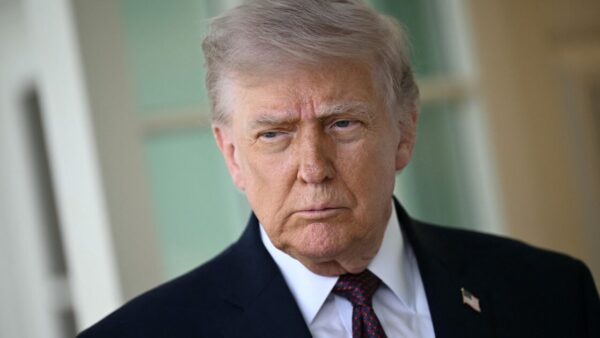
Pakistani leaders, whose mediation efforts facilitated historic face-to-face talks between American and Iranian envoys in Islamabad last week, continued pushing both sides toward finalizing an agreement. Trump praised Pakistan and Gulf allies on social media, calling the day "GREAT AND BRILLIANT." However, his enthusiasm was tempered by his insistence on maintaining the naval blockade if a peace deal is not reached, though he signalled openness to extending the ceasefire when it expires on Wednesday.
"Maybe I won't extend it, but the blockade is going to remain," Trump told reporters aboard Air Force One.
The oil markets have already responded to hopes of a negotiated settlement. Oil prices fell as traders embraced optimism about an end to the conflict, with stock markets rising on Friday. The US issued another waiver late Friday allowing the sale of Russian oil and petroleum products already at sea, a move expected to further depress oil prices by increasing global supply.
The opening of a 10-day ceasefire in Lebanon on Friday and the resumption of strait operations represented progress in Washington's push for a comprehensive agreement ending hostilities with Iran. Tehran had made clear that halting fighting between Israeli forces and the Iran-backed Lebanese group Hezbollah must form part of any larger regional accord.
The negotiations remain fragile, with neither side showing signs of backing down on core demands. Iran's renewed threat to close the Strait of Hormuz demonstrates how quickly gains can evaporate in talks between adversaries with deeply entrenched positions. The next critical moment arrives Wednesday when the current ceasefire expires, setting the stage for either a breakthrough or a rapid return to escalation.