
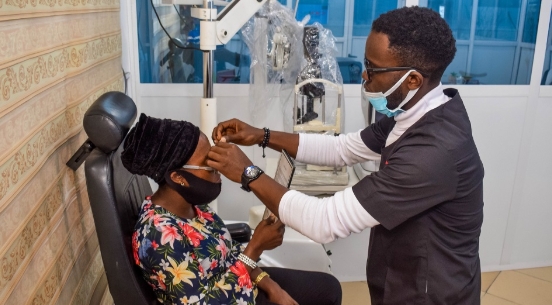
An optometrist has raised the alarm over the dangers of purchasing eye medications without proper medical guidance, warning that serious health conditions can trigger sight-threatening complications if left undetected.
The eye care professional cautioned that conditions such as hypertension, diabetes, tuberculosis, syphilis, thyroid diseases and HIV/AIDS can lead to vision-threatening problems that require urgent professional intervention. Self-medication with eye drugs masks the underlying causes of vision problems and delays diagnosis of these life-threatening illnesses.
Many Nigerians resort to buying eye medications over the counter in pharmacies without consulting qualified optometrists or ophthalmologists. This practice, driven partly by the high cost of professional eye care services and the accessibility of drugs in neighbourhood pharmacies, has become a public health concern in the country.
Eye diseases often serve as early warning signs of systemic diseases affecting the whole body. A trained eye care professional can spot signs of diabetes through retinal changes, detect high blood pressure through blood vessel damage in the eyes, or identify tuberculosis through ocular manifestations. Purchasing drugs without a prescription bypasses these critical diagnostic opportunities.
The optometrist stressed that conditions affecting the eye require accurate diagnosis to determine the root cause of symptoms. What appears to be a simple eye problem like blurred vision or redness may actually indicate a serious underlying health condition demanding immediate medical attention. Self-diagnosis and self-medication with over-the-counter eye drugs can lead to irreversible vision loss or even blindness if the true cause goes untreated.
Thyroid diseases, for instance, can cause eye protrusion and double vision. HIV/AIDS patients may develop cytomegalovirus retinitis, a sight-threatening infection. Syphilis can cause inflammation of the eye structures. These conditions require specialist knowledge to diagnose and manage properly. A pharmacist selling eye drops without a prescription cannot identify these complications.
The warning comes as many Nigerians continue to rely on informal healthcare channels for treatment of eye problems. Cost remains a significant barrier, as many qualified eye care centres charge consultation fees that are beyond the reach of average Nigerians. However, the optometrist argues that the long-term costs of treating preventable blindness far exceed the cost of seeking professional care early.
Healthcare authorities should work to make professional eye care services more accessible and affordable across the country. Public awareness campaigns must educate Nigerians about the importance of seeing a qualified eye care professional before buying any eye medication. Pharmacists also need stronger regulatory oversight to prevent the sale of prescription medications without proper documentation from healthcare providers.
The federal government through the Ministry of Health should consider regulating the sale of eye medications more strictly and ensuring that only licensed optometrists and ophthalmologists can prescribe such drugs. This would protect citizens from the dangers of self-medication while ensuring that serious health conditions are detected early through proper eye examinations.