
A suspected meningitis outbreak has claimed several lives in a village in Sokoto State, prompting the government to mobilise health officials to the affected community.
The Sokoto State Commissioner for Health, Faruk Wurno, confirmed the deaths and said the state government had deployed medical teams to investigate the outbreak and establish its scale. He said the government would provide free medications to residents in the affected area.
Meningitis, a viral or bacterial infection that inflames the membranes surrounding the brain and spinal cord, can spread rapidly in crowded conditions and communities with poor sanitation. The disease kills quickly if left untreated and can cause permanent disability in survivors, including hearing loss and brain damage.
The exact number of deaths and the specific village affected were not immediately disclosed, but Wurno's statement confirmed that the outbreak had claimed multiple lives. The deployment of health officials suggests the government is treating the situation with urgency, given how fast meningitis can spread once it takes hold in a community.
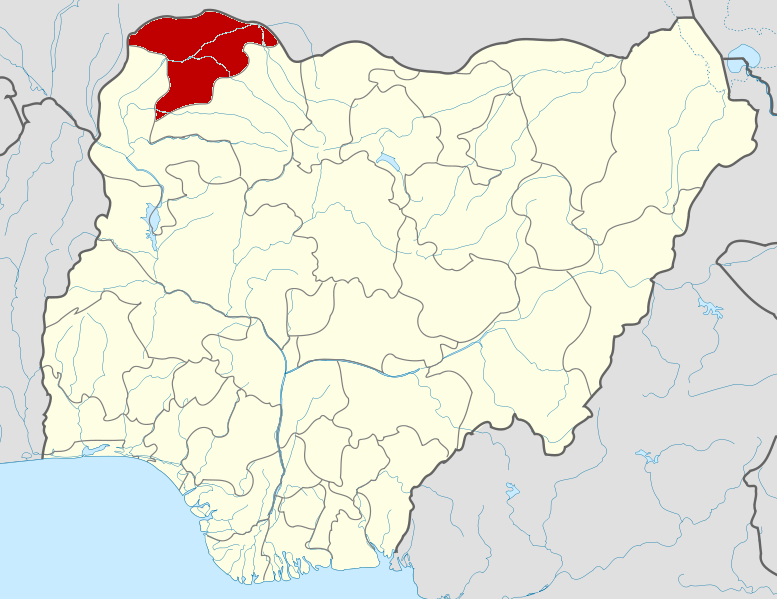
Sokoto State, located in the northwest of Nigeria, has dealt with meningitis outbreaks before. The disease thrives in the dry season when dust storms increase respiratory tract infections, making the harmattan months particularly dangerous.
Wurno said the investigation would determine whether the outbreak is bacterial meningitis, which requires immediate antibiotic treatment, or viral meningitis, which is usually less severe but still requires close monitoring. Free medications will help ensure that residents do not delay treatment due to cost, a common problem in rural areas.
The health commissioner did not specify when the outbreak was first detected or how long the medical teams would remain in the village. The government is expected to issue a full epidemiological report once investigations are completed, which should clarify transmission patterns and help prevent further spread.