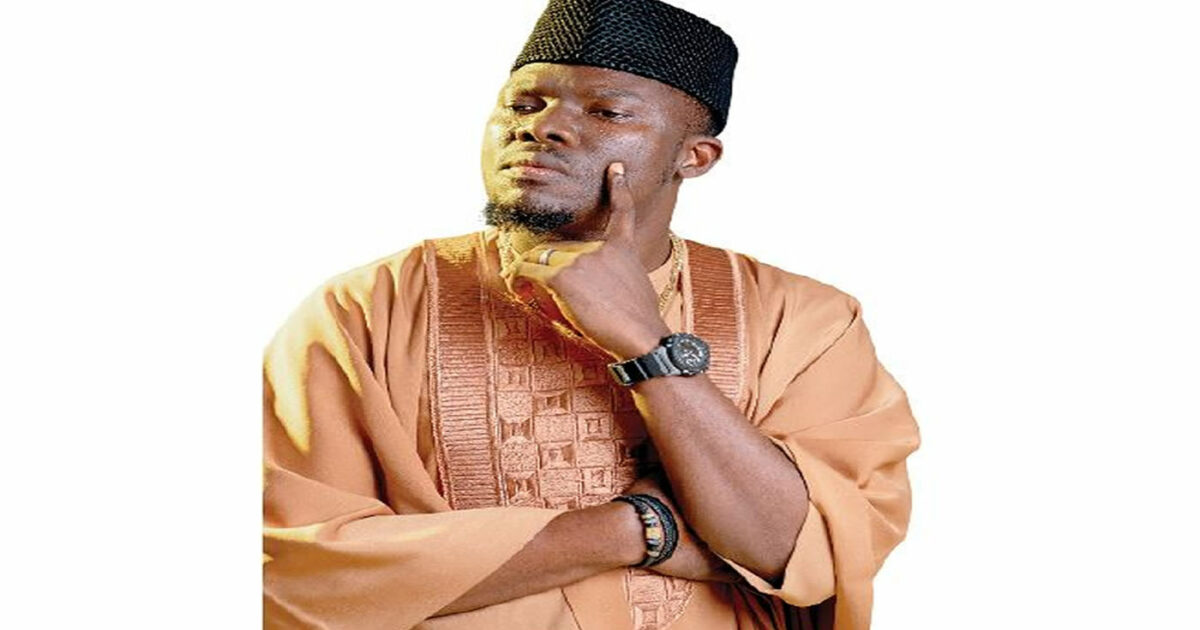
Comedian Kevinblak, better known by his stage name Governor Amuneke, has made a startling revelation about attempts to silence his political commentary. The content creator says party officials approached him with cash offers to alter or stop his anti-government skits at a time when he was struggling financially. The claims shed light on the lengths some political figures will go to control public narrative and suppress criticism through entertainment channels.
Amuneke's comedy brand has built a reputation on sharp social and political satire delivered through humorous sketches and short-form video content. His work resonates with audiences who appreciate comedy that tackles real issues affecting ordinary Nigerians. The comedian's decision to speak out about these offers marks a turning point in his career, forcing conversation about the intersection of entertainment, politics, and creative freedom in Nigeria.
The timing of the offers is particularly significant. Amuneke was experiencing financial difficulty when the party officials made their approach, suggesting they deliberately targeted him when he was most vulnerable. This strategy of offering money to celebrities and content creators to shift their messaging has become increasingly common in Nigerian politics. Party officials understand the power of social media comedy and the influence comedians hold over millions of followers.
Amuneke's account raises questions about how many other creators have received similar offers and whether some have accepted them. The practice essentially amounts to buying political silence or converting critical voices into propaganda tools. What makes Amuneke's case noteworthy is his willingness to publicly reject such offers and continue producing the content he believes in, despite the financial pressure he faced.
The comedian's revelation comes at a time when Nigerian politics grows more contentious by the week. Citizens increasingly turn to comedy platforms to understand complex political issues in digestible formats. Comedians like Amuneke have become alternative news sources, filling gaps left by traditional media. This explains why political actors are willing to spend considerable sums to control or neutralize comedy content that challenges them.
Amuneke has not named the specific party or officials involved in the approach, but the incident illustrates broader patterns of political interference in creative industries. Such interference limits artistic expression and undermines the health of public discourse. When money flows from politicians to entertainers for content control, the entire information ecosystem suffers, and citizens lose access to honest commentary wrapped in entertainment.
The comedian's decision to go public with this information strengthens his credibility with audiences. Transparency about attempted manipulation builds trust and demonstrates integrity. Other creators facing similar pressure may find courage in Amuneke's example to resist such offers and maintain their editorial independence. His willingness to speak out potentially protects the creative space for other entertainers in Nigeria.
Amuneke plans to continue producing anti-government skits and satirical content without external interference or financial incentive. He remains committed to using comedy as a tool for social commentary and accountability. The comedian's resolve to maintain his voice despite pressure shows that not all Nigerian content creators are for sale, a message that resonates powerfully in an environment where political capture of media and entertainment is increasingly normalized. His upcoming projects will likely continue exploring political themes and holding those in power to public scrutiny through comedy.