
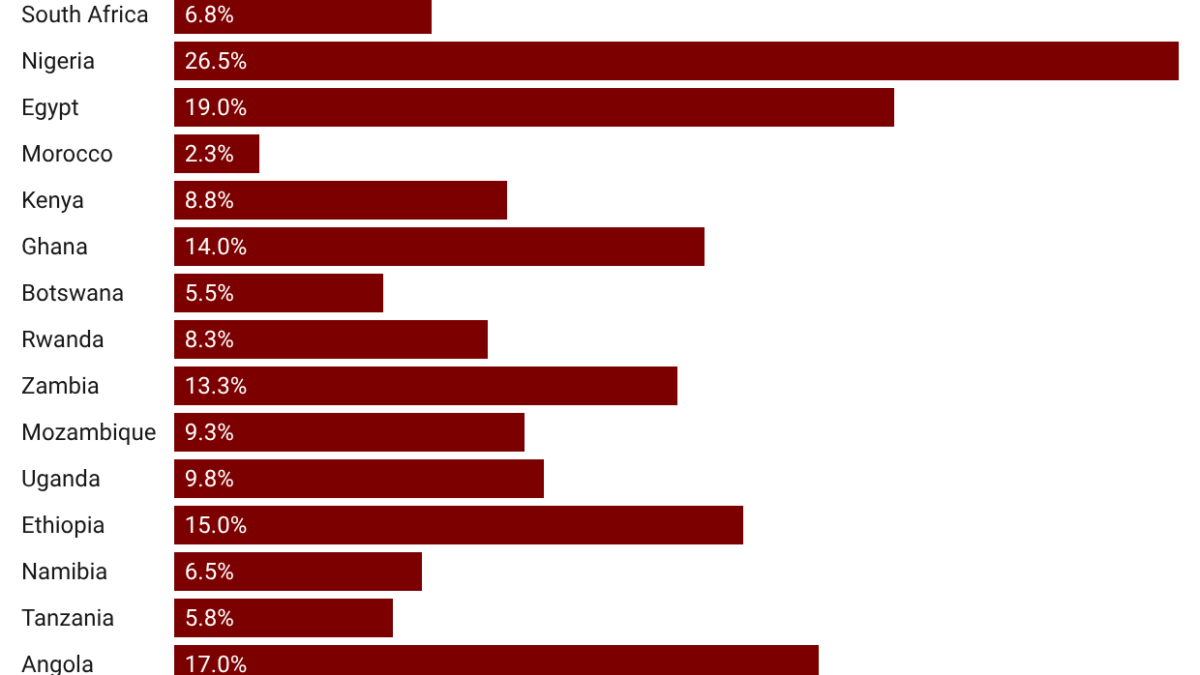
Africa's expected interest rate cuts are stalling as oil prices climb again, driven by tensions between Iran and Israel that threaten global supply.
Central banks across the continent had prepared markets for easier monetary policy this year. But the geopolitical crisis in the Middle East has disrupted that plan. Oil shocks push inflation higher, and inflation forces policymakers to keep rates firm or raise them instead of cutting.
The problem is acute for oil-importing nations. When crude prices spike, the cost of fuel, transport, and energy rises across the economy. That feeds into prices for food, goods, and services. Inflation climbs. Central banks respond by holding rates steady or tightening policy, making borrowing more expensive for businesses and households.
Countries that export oil face a different squeeze. Higher oil revenue sounds good on paper. But it also signals global economic stress. Demand for their oil falls. They earn less foreign currency. Their currencies weaken against the dollar. That makes imports costlier and forces them to defend their exchange rates, again pushing toward tighter policy rather than cuts.
The shift marks a sharp reversal. Just months ago, easing inflation and slower growth had led several African central banks to cut rates or signal they would soon. South Africa, Kenya, and others had begun that cycle. Nigeria's central bank had raised rates aggressively but signalled it might pause.
Now those plans are on hold. Policymakers face a dilemma. Cut rates and risk letting inflation escape their control. Hold steady or tighten and risk choking off growth that economies desperately need. The oil shock gives them no good options.
The geopolitical risk remains fluid. If the Iran-Israel tensions escalate further, oil could climb much higher. If diplomacy prevails or the conflict stabilises, prices might settle. Central banks are watching closely. Their next rate decisions, scheduled across the coming weeks and months, will reveal how seriously they take the inflation threat. Most signals now point toward caution: rates on hold, cuts postponed, and a wait-and-see stance toward global oil markets.