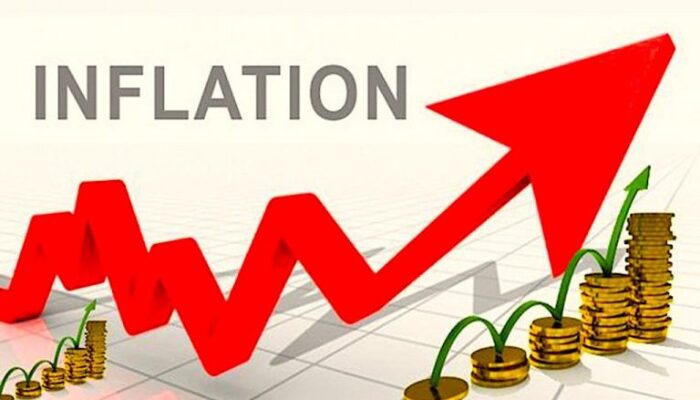
Ethiopia's inflation rate climbed back into double digits in December, marking the first time in five months that the East African nation has faced such pressure on consumer prices.
The country's central bank reported that inflation jumped as fuel costs spiked and supply chain disruptions pushed up the price of essential goods. The return to double-digit inflation signals a reversal of the modest progress Ethiopia had made in controlling price growth since July, when the rate had dipped below ten percent.
Rising fuel prices have been the primary driver of the inflation surge. Energy costs feed into transport and production expenses across the economy, making goods and services more expensive for ordinary Ethiopians. The government has struggled to manage fuel subsidies while keeping inflation in check, a balancing act that has grown harder as global oil prices fluctuate.
Supply chain problems have compounded the pressure on prices. Ethiopia's economy has faced persistent challenges moving goods from farms and factories to markets, whether because of poor road conditions, security concerns in some regions, or simply weak logistics infrastructure. When goods move slowly or unreliably, their costs rise, and those costs reach consumers.
The inflation increase matters because it erodes the purchasing power of Ethiopian birr and makes life harder for workers whose wages do not keep pace with rising prices. For a country where many people live on modest incomes, double-digit inflation means basic necessities like food, transport, and fuel become less affordable.
The central bank will face pressure to tighten monetary policy to bring inflation back down. Higher interest rates can cool demand and reduce price growth, but they also make borrowing more expensive for businesses and households, potentially slowing economic growth. Ethiopia's policymakers must choose between fighting inflation now or risking deeper economic pain later.
Analysts will watch January's inflation data closely to see whether the December spike was temporary or the start of a new upward trend. If inflation continues to climb, the central bank may have no choice but to raise rates further, regardless of the short-term cost to growth.