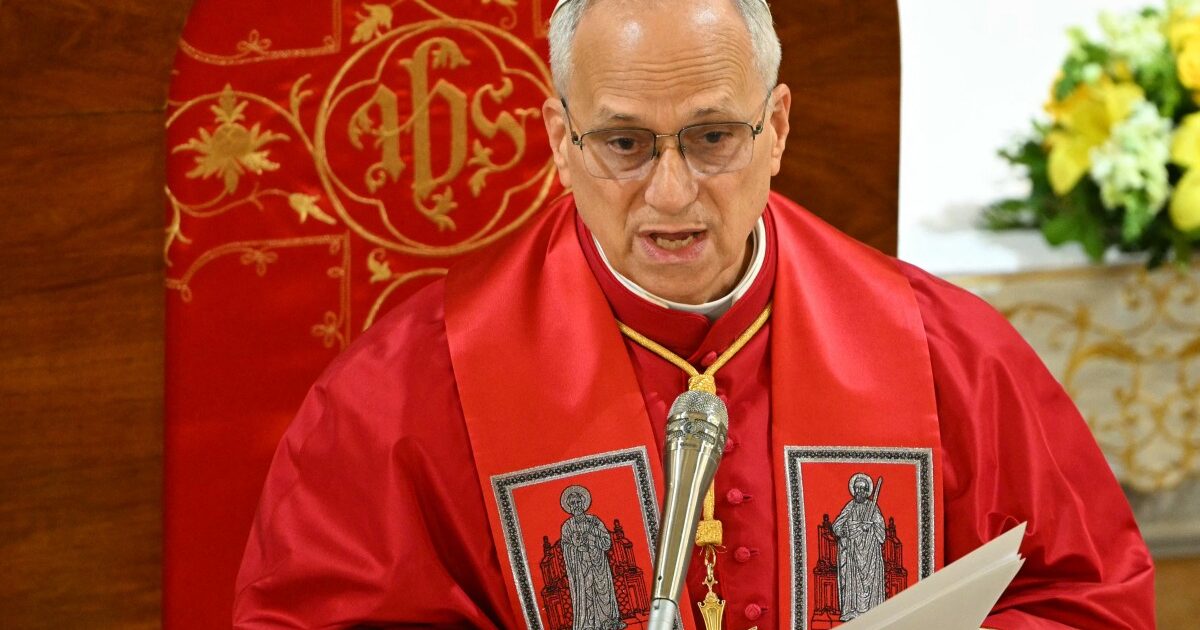
Pope Leo XIV is preparing for a historic visit to Cameroon's troubled Anglophone region, commonly known as Ambazonia, where he will deliver a message of peace and reconciliation to communities torn apart by years of armed conflict. The pontiff's journey marks the first time a reigning pope has ventured into the heart of the separatist crisis that has claimed thousands of lives and displaced hundreds of thousands of civilians since 2016.
The Ambazonian conflict has devastated the North West and South West regions of Cameroon, where armed separatist groups have clashed with government military forces in a brutal campaign for independence. The violence has created a humanitarian catastrophe, with schools shut down, healthcare systems crippled, and entire villages emptied as families flee the fighting. Residents face regular attacks from both combatants, making daily life extraordinarily dangerous for the estimated six million people living in the affected areas.
Pope Leo XIV's decision to visit the conflict zone sends a powerful signal of the Catholic Church's commitment to peace-building in one of Africa's most volatile regions. The Vatican has been working behind the scenes with various religious and civil society groups to facilitate dialogue between the warring parties. Church leaders believe the pope's presence could encourage both the Cameroon government and separatist organisations to pursue negotiations rather than military solutions.
The pontiff plans to meet with displaced persons, church leaders, and community elders during his time in Ambazonia. He will celebrate Mass in areas where Christian congregations have endured tremendous suffering, offering spiritual solace to those who have lost homes, loved ones, and hope in the conflict. Vatican officials indicate that the pope will call for an immediate ceasefire and the start of genuine peace talks without preconditions.
Local religious leaders have welcomed the pope's planned visit as a potential turning point for the region. Father Emmanuel Tabi, a Catholic priest working in the North West region, said the pope's presence would give voice to voiceless victims and pressure international actors to take the crisis more seriously. Muslim leaders in the region have also expressed support for the papal intervention, viewing it as a non-partisan effort to save lives.
The Cameroon government has given its blessing for the visit, though security concerns remain paramount. The military has been ordered to ensure safe passage for the papal delegation and to secure all venues where events will be held. However, separatist groups have not publicly commented on whether they will guarantee the pope's safety, creating uncertainty about how the visit will unfold on the ground.
International observers note that the pope's visit could either accelerate peace processes or, if it goes badly, deepen divisions between parties. The timing of the journey comes as the conflict has killed an estimated 6,000 people in recent years and forced over 700,000 to flee their homes. Many analysts believe only external pressure combined with internal willingness to compromise can break the deadlock.
The Vatican will announce the specific dates and itinerary for Pope Leo XIV's Cameroon visit within the next two weeks, after final security assessments are completed by Cameroon's government and international partners.