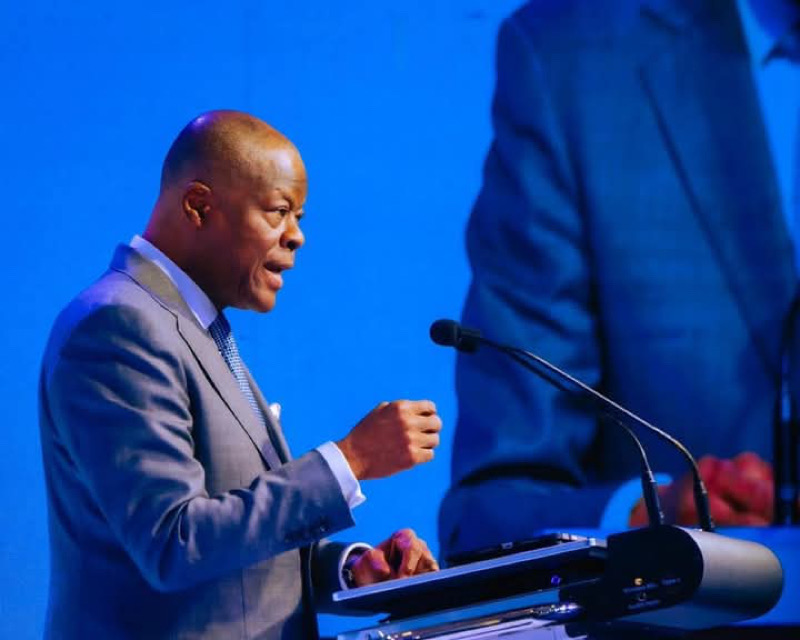
Nigeria will not apply for loans from the International Monetary Fund despite mounting pressure from a growing debt burden, the Minister of Finance and Coordinating Minister of the Economy, Wale Edun, announced on Thursday. Edun made the declaration during a ministerial press briefing, signalling the federal government's determination to manage its finances without recourse to IMF support at this time.
The minister's statement comes as Nigeria grapples with a debt situation that has drawn increasing scrutiny from economists and policy observers across the country. The nation's debt profile has expanded significantly in recent years, raising questions about fiscal sustainability and the government's ability to service obligations without external support.
Edun's position reflects the Tinubu administration's preference for domestic and alternative financing mechanisms to address Nigeria's economic challenges. The minister has previously outlined strategies to boost government revenue, reduce wasteful spending, and attract foreign direct investment as alternatives to seeking IMF assistance. This approach seeks to preserve policy autonomy while still addressing the country's pressing financial needs.
The rejection of IMF support represents a deliberate choice by the federal government, even as countries across Africa and beyond have increasingly turned to the fund during economic downturns. IMF programmes typically come with conditions requiring member nations to implement specific fiscal and monetary policies, and Nigeria's leadership has indicated a preference to chart its own course.
Economic observers have noted that Nigeria's debt servicing costs have risen sharply in recent years, consuming a growing portion of government revenue. This situation has constrained the federal government's ability to invest in critical areas like education, healthcare, and infrastructure development. The minister's assertion that Nigeria can navigate these challenges without IMF intervention will be tested by the government's ability to execute its revenue enhancement and expenditure management plans.
Edun's comments appear designed to assure Nigerians that the government maintains control over its economic policy direction despite external pressures. The minister has consistently argued that the Tinubu administration's reform agenda, which includes subsidy removal and currency reforms already implemented, will generate sufficient resources to stabilize the economy over time. Whether these measures prove adequate to reduce debt pressures and improve Nigeria's fiscal position will become clearer as the year progresses and new economic data emerges.