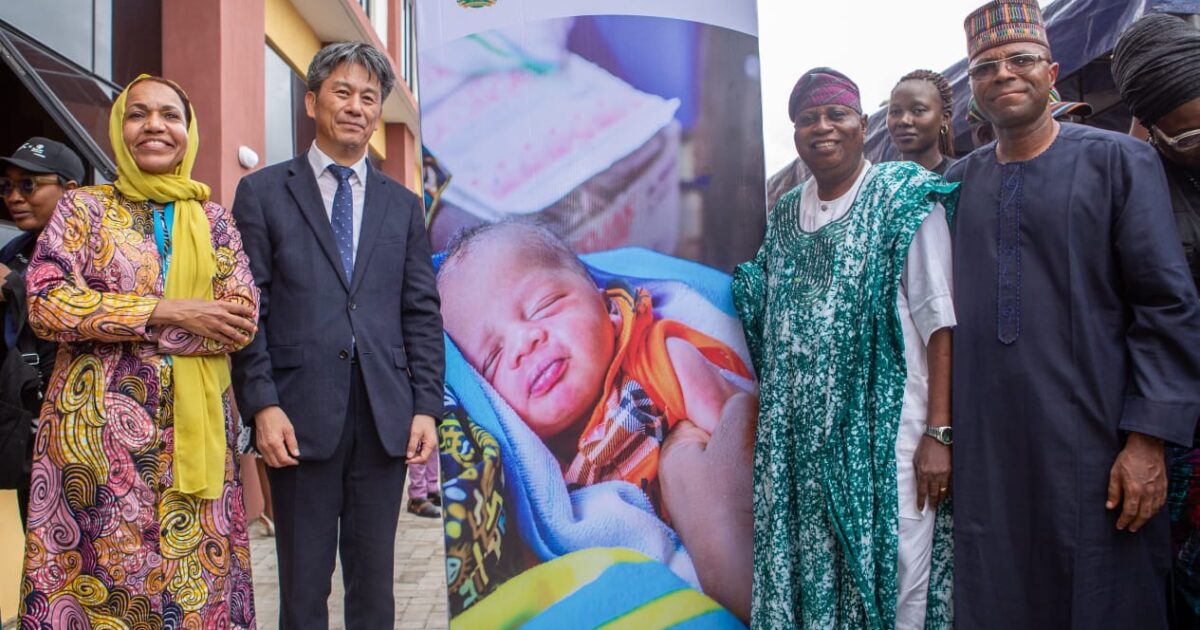
South Korea and the United Nations Children's Fund have joined forces to launch a fresh immunisation campaign in Nigeria targeting 2.2 million children who have never received any vaccine doses. The partnership aims to address vaccination gaps that continue to plague the country's health system, leaving millions of young children vulnerable to preventable diseases.
The immunisation drive represents a coordinated effort between the two organisations to strengthen Nigeria's vaccination programme and ensure that no child falls through the cracks of the health care system. The campaign focuses on reaching zero-dose children, those who have not received a single dose of any vaccine, a critical population that health officials have long identified as a priority.
Vaccination gaps in Nigeria remain a persistent challenge despite years of efforts by government agencies and international organisations. Many children in rural and underserved urban areas lack access to basic immunisation services, leaving them exposed to diseases like polio, measles, and other preventable conditions. The 2.2 million children targeted by this campaign represent a substantial portion of Nigeria's vaccination backlog.
The partnership between South Korea and UNICEF brings together technical expertise and financial resources needed to expand vaccine coverage across the country. South Korea's involvement signals growing international recognition of Nigeria's health challenges and the need for sustained commitment from developed nations to support immunisation efforts in Africa.
The campaign will operate across multiple states, with particular attention to areas where vaccination rates remain below national averages. Health workers will conduct house-to-house visits and establish temporary vaccination centres in communities where access to health facilities remains limited. The initiative also includes training programmes for local health workers to improve service delivery and community trust in vaccination services.
Parents and guardians will receive education about the importance of immunisation during the campaign, addressing vaccine hesitancy that remains a barrier to full coverage in some communities. The drive will provide vaccines at no cost to families, removing financial barriers that have historically prevented some households from accessing these services.
The federal government has pledged its support for the campaign, committing to provide logistics and personnel to assist with implementation at the state and local government levels. State health agencies are currently preparing their facilities and staff to receive the influx of children seeking immunisation during the campaign period.
UNICEF officials stated that closing vaccination gaps is essential for preventing disease outbreaks and protecting vulnerable populations, particularly infants and young children whose immune systems remain developing. The organisation has set specific targets for each state based on data about population density and current vaccination coverage rates.
The campaign will run for several months, with different phases targeting different age groups and geographic regions. Health officials expect that successful completion of this drive will significantly reduce the number of zero-dose children in Nigeria and bring the country closer to achieving herd immunity against major preventable diseases.
Community leaders and traditional rulers have been engaged to promote the campaign in their areas and encourage parents to bring their children for vaccination. Radio stations and local media outlets are being used to spread awareness about the dates, times, and locations where vaccinations will be available.
The immunisation drive is scheduled to commence in the coming weeks, with detailed schedules to be announced through state health ministries and local government health offices. Parents who want to ensure their children receive vaccines should watch for announcements in their communities and plan to visit vaccination centres during the specified periods.