
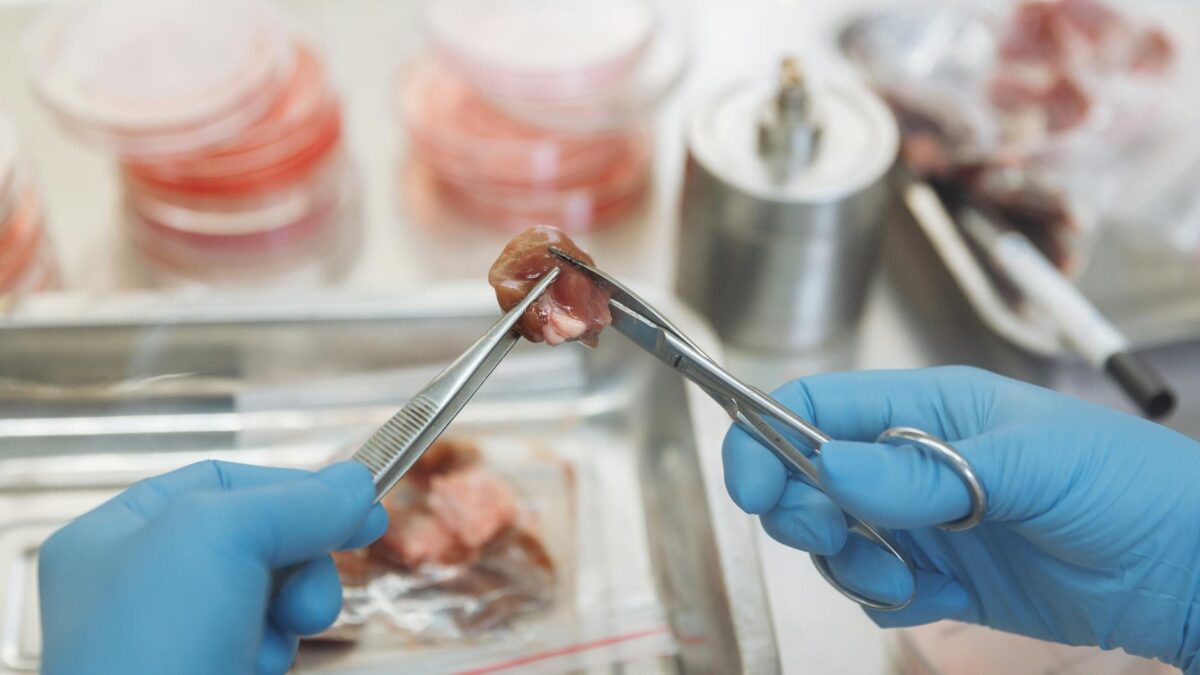
Researchers have developed several promising new drugs that could transform treatment for pancreatic cancer, one of the world's deadliest diseases. For four decades, medicine made almost no progress against the disease. Now, after increased funding and research over the last ten years, scientists say they are finally making real headway.
Pancreatic cancer kills quickly and ruthlessly. Only about one in ten people survives more than five years after diagnosis. The disease is also spreading faster than ever, especially among young adults, and experts predict it will become the second deadliest cancer after lung cancer in wealthy nations within years.
The biggest breakthrough came last week when US pharmaceutical company Revolution Medicines announced positive results for daraxonrasib, an experimental pill that targets a protein called KRAS which drives tumour growth. In trials, half the patients taking the drug survived more than 13 months, double the survival time of patients receiving standard chemotherapy. For a cancer that kills so fast, doubling life expectancy is unprecedented.
Ben Sasse, a former US senator from Nebraska, has become the public face of the drug's promise. Diagnosed with stage-four pancreatic cancer in December, he was given a three to four month life expectancy. After taking daraxonrasib, he told the New York Times he was "doing a heck of a lot better than I was doing at Christmas." He acknowledged the drug carries severe side effects, including facial peeling and bleeding, but said the trade-off was worth it.
Revolution Medicines plans to apply for US regulatory approval soon. The company will present more detailed trial results at the ASCO cancer conference in Chicago next month.
Other researchers are attacking the problem from different angles. Scientists led by Patrick Mehlen at France's Leon Berard cancer centre developed an antibody called NP137 that works differently from daraxonrasib. Instead of directly killing cancer cells, it stops them from developing resistance to other drugs like chemotherapy. In early trials on 43 patients whose cancer had spread within the pancreas, the antibody extended survival by an average of six months compared to standard rates. Mehlen called this "significant for this disease." His team plans a larger trial with a control group later this year and hopes eventually to combine NP137 with daraxonrasib for even better results.
A third approach came over the weekend when pharmaceutical firms BioNTech and Genentech announced early success with an experimental pancreatic cancer vaccine using messenger RNA technology, the same approach that produced Covid-19 vaccines. In a small phase 1 trial of 16 patients who already had pancreatic cancer, eight saw their immune cells successfully target cancer cells after receiving the shot. The vaccine represents a completely different strategy, harnessing the body's immune system rather than using drugs to attack tumours directly.