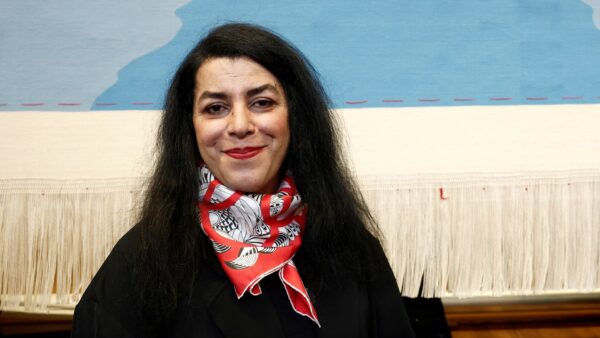

Obiageli Ezekwesili marked her 63rd birthday this year with a collection of 63 voices celebrating her life, work and influence across politics, activism and public service. Born in 1963, the same year Nigeria became a republic, Ezekwesili has spent her career as an economist, former World Bank official, education minister and anti-corruption campaigner who shaped policy debates and challenged power in ways that few Nigerians have attempted.
The tribute brought together perspectives on what Ezekwesili has meant to the country. Her life story runs through three decades of Nigerian politics and reform efforts. She served as minister of education under President Olusegun Obasanjo, where she pushed for changes to the school system and fought against corruption in education spending. Before that, she worked at the World Bank where she advised governments across Africa on economic policy.
After leaving government, Ezekwesili became known for her vocal criticism of the political establishment. She ran for president in 2019 and 2023, campaigns that garnered attention for her willingness to speak directly on issues other politicians avoided. Her activism around the Chibok schoolgirls abduction in 2014 kept international focus on the crisis when others had moved on. She launched the BringBackOurGirls movement and became the public face of demands for action.
The 63 voices in the tribute speak to how her work touched different circles. Colleagues from her banking years recall her analytical mind and refusal to accept half measures. Former students remember her as a teacher who demanded rigour. Political opponents acknowledge her consistency, even when they disagreed with her positions. Activists cite her as someone who proved that dissent could come with competence and moral clarity rather than noise alone.
Ezekwesili's willingness to challenge the status quo came at a cost. She faced criticism from government officials, lost opportunities when she refused to compromise her principles, and endured the kind of personal attacks that come with visibility in Nigerian public life. Yet she continued to write, speak and organise around issues she believed mattered: education, corruption, democracy, and the rights of ordinary Nigerians.
The convergence of her birth year with the republic's founding year and now her 63rd birthday carries symbolic weight in Nigerian culture. It frames her life not as separate from the country's journey but as intertwined with it. The 63 voices speaking to her legacy suggest how one person's choices to act, to speak and to persist can create ripples across different parts of society.
Ezekwesili remains active in public discourse. She continues to write opinion pieces on governance and education, appears on media platforms to discuss policy, and engages with younger Nigerians interested in reform.