
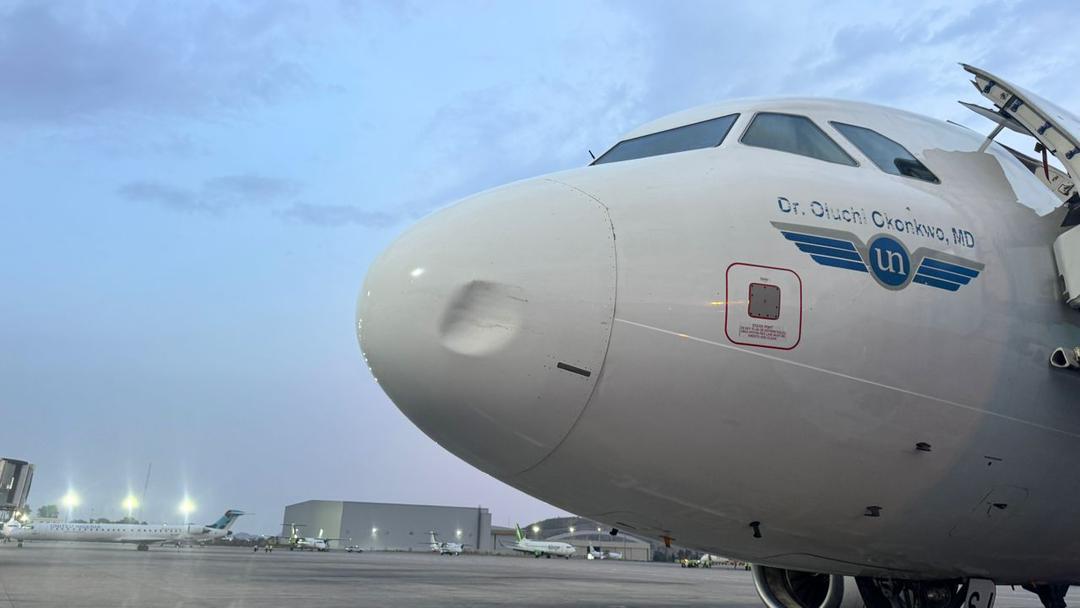
United Nigeria Airlines has been forced to ground two of its aircraft within 24 hours following separate bird strike incidents at Nigerian airports. The back-to-back incidents have renewed concerns about the effectiveness of wildlife control measures at the nation's aviation facilities and the safety risks posed by recurring bird strikes to commercial flight operations.
Bird strikes represent a serious hazard to aircraft during takeoff and landing phases when planes operate at lower altitudes and reduced speeds. When birds collide with aircraft engines or fuselages, they can cause significant damage that requires extensive repairs and extended grounding periods. The incidents at United Nigeria Airlines underscore the persistent nature of this problem across Nigeria's airport network.
The first bird strike occurred at one of the major Nigerian airports, forcing the airline to immediately withdraw the affected aircraft from service. Within the next 24 hours, a second United Nigeria Airlines aircraft suffered a similar incident at another airport facility. Both aircraft are now undergoing damage assessment and repair work before they can return to scheduled operations.
Airport authorities and wildlife management teams face mounting pressure to implement more effective bird control strategies at the nation's busiest aviation hubs. Current measures include the use of bird scaring devices, netting systems, and periodic sweeping of airport grounds to remove food sources that attract birds. However, these efforts have proven insufficient in preventing regular strikes involving commercial aircraft.
The incidents have raised questions about coordination between airport operators, airlines, and environmental management agencies responsible for wildlife control. Airport wildlife programmes require consistent funding, trained personnel, and modern equipment to be effective in reducing bird populations around runways and taxiways. Several airports across Nigeria have reported similar bird strike incidents over the past year affecting different carriers.
United Nigeria Airlines operates a fleet of regional turboprop and jet aircraft serving domestic and regional routes. The airline has experienced operational disruptions from technical issues before, but the frequency of bird strike incidents affecting its aircraft suggests broader systemic challenges rather than isolated occurrences. The groundings will impact the airline's flight schedule and passenger bookings during the repair period.
The Federal Airports Authority of Nigeria (FAAN) manages most major airports in the country and holds responsibility for maintaining safe operating environments. Airport wildlife management requires year-round vigilance, particularly during migration seasons when bird populations increase significantly around aviation facilities. Budget constraints and staffing limitations have historically challenged the effectiveness of these programmes at several terminals.
Regulatory bodies including the Nigerian Civil Aviation Authority will likely scrutinise the safety protocols and wildlife management practices at affected airports. Airlines are expected to report bird strike incidents to aviation authorities for statistical tracking and trend analysis. This data helps identify high-risk airports and informs decisions about where to concentrate wildlife control resources.
The aviation industry globally recognises bird strikes as a persistent operational challenge, even at major international airports with advanced wildlife management systems. Nigeria's tropical climate and varied ecosystems mean bird populations remain active throughout the year, creating ongoing risks. The situation demands urgent action to prevent escalation into more serious incidents that could result in loss of life.
United Nigeria Airlines management will conduct thorough investigations into both incidents to determine the exact circumstances and contributing factors. Repair timelines depend on the extent of damage discovered during detailed inspections of each aircraft. The airline's operations team is likely coordinating with maintenance contractors to expedite the return to service while ensuring all safety standards are met.
Airport operators and the federal government must collaborate to develop comprehensive bird strike prevention programmes that combine physical barriers, active scaring techniques, and habitat modification around runway areas. The recurring nature of these incidents at United Nigeria Airlines serves as a wake-up call for the entire aviation sector that current measures require urgent strengthening and consistent implementation across all Nigerian airports.